
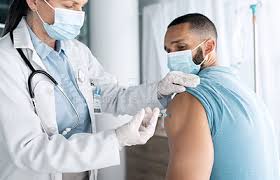
Vaccination and Check-up in Nagpur at NEUROLINNK HOSPITAL
Vaccination and routine health check-ups play a crucial role in maintaining long-term health. Vaccines help the immune system recognize harmful microorganisms and respond quickly if exposure occurs. Consequently, the body develops protection against several serious infections before they cause illness.
Meanwhile, regular medical check-ups help detect early health changes that might otherwise remain unnoticed. Doctors evaluate overall health indicators such as blood pressure, immunity status, and metabolic balance. Therefore, combining vaccination with routine medical evaluations supports preventive healthcare.
How Vaccination Strengthens the Immune System
Vaccination prepares the immune system to respond quickly to specific infections. Vaccines introduce a safe form of a pathogen or a part of it, which allows the immune system to recognize it without causing disease. Consequently, immune cells develop memory that helps them react rapidly if the real infection appears later.
Meanwhile, this protective response reduces the severity of illness and lowers the chance of complications. Additionally, widespread vaccination helps protect communities by limiting the spread of infectious diseases. Therefore, vaccination programs contribute significantly to public health and long-term disease prevention.
The Role of Routine Health Check-ups in Preventive Care
Routine health check-ups allow individuals to monitor their health before symptoms become severe. During these visits, healthcare professionals evaluate various health indicators that reflect the body’s overall functioning. Consequently, early changes in blood pressure, blood sugar levels, or metabolic balance may be detected.
Meanwhile, regular check-ups also help assess immunity status and determine whether vaccinations are required. Preventive screenings may identify conditions that develop slowly without noticeable symptoms. Therefore, periodic medical assessments support proactive healthcare and help individuals maintain better long-term wellness.
Common Vaccines Recommended for Different Age Groups
Vaccination schedules vary depending on age, health status, and environmental exposure. Children typically receive vaccines that protect against infections such as measles, mumps, and certain respiratory illnesses. Meanwhile, adolescents and adults may require booster vaccinations to maintain immunity developed earlier in life.
Additionally, vaccines may also be recommended for individuals at higher risk due to travel or occupational exposure. Consequently, maintaining an updated vaccination record becomes important for long-term protection. Healthcare professionals often guide patients regarding appropriate vaccines based on their age, lifestyle, and medical history.
Early Detection Through Regular Medical Monitoring
Regular monitoring helps identify subtle health changes that may indicate early disease development. For example, periodic blood tests can reveal metabolic imbalances before symptoms appear. Meanwhile, physical examinations help evaluate organ function and detect unusual findings.
Consequently, early detection allows healthcare professionals to recommend lifestyle adjustments or preventive treatments. Additionally, monitoring helps track existing medical conditions to ensure they remain under control. Patients who want to understand broader health assessments may learn more about our neurological services to explore how preventive care supports overall body health.
Lifestyle Factors That Influence Immunity and Health
Lifestyle habits strongly influence immune strength and overall health stability. Adequate sleep supports immune cell activity and helps the body recover from daily stress. Meanwhile, balanced nutrition provides essential vitamins and minerals that support immune defense mechanisms.
Regular physical activity also improves circulation and metabolic balance. Consequently, these habits help the body respond more effectively to infections and maintain long-term wellness. Stress management further contributes to immune stability, as chronic stress may weaken immune responses.
Why Vaccination and Check-up Are Important for Families
Vaccination and regular health assessments protect not only individuals but also families and communities. When family members receive recommended vaccines, the risk of infection spreading within households decreases. Meanwhile, routine check-ups help identify hereditary or lifestyle-related health concerns that may affect multiple family members.
Consequently, early detection allows families to adopt preventive measures together. Parents often play an important role in maintaining vaccination schedules for children and monitoring their growth and development. Therefore, family-focused preventive care helps promote long-term health for all age groups.
Preventing Serious Illness Through Timely Vaccination
Timely vaccination helps reduce the risk of developing severe infections. Vaccines protect against diseases that previously caused significant health complications. Consequently, individuals who follow recommended vaccination schedules often experience milder illness or complete protection.
Meanwhile, preventive immunization also reduces the spread of infections within communities. Healthcare professionals may review vaccination records during medical visits to determine whether booster doses are required. Patients interested in preventive healthcare programs may visit our treatment page to understand how regular medical monitoring supports overall health management.
Long-Term Health Benefits of Regular Check-ups
Regular health check-ups provide long-term benefits by supporting early diagnosis and preventive care. Over time, small health changes may develop gradually without noticeable symptoms. Consequently, periodic medical evaluations help identify these changes before they progress into serious conditions.
Routine assessments also encourage individuals to maintain healthier lifestyles and monitor important health indicators. Meanwhile, consistent medical guidance helps individuals understand how diet, activity, and stress influence their health. Patients seeking broader information on health management strategies may explore related neurological treatments to understand how preventive care supports overall body systems.
Signs That Indicate the Need for a Medical Check-up
Certain symptoms suggest that a medical evaluation may be necessary. Persistent fatigue, unexplained weight changes, recurring fever, or prolonged discomfort may indicate underlying health concerns. Meanwhile, changes in appetite, sleep patterns, or physical energy may also signal metabolic imbalances.
Consequently, seeking medical advice early helps identify possible causes and prevents complications. Regular health evaluations also become important when individuals experience ongoing stress or lifestyle changes that may affect health stability.
Why Choose NEUROLINNK HOSPITAL for Cold & Cough Management in Nagpur
NEUROLINNK HOSPITAL focuses on a patient-centered approach that emphasizes careful evaluation and symptom understanding. Therefore, treatment plans are designed based on individual health conditions rather than generalized assumptions.
Additionally, the hospital prioritizes clear communication so patients understand their symptoms and recovery process. Consequently, individuals feel more confident in managing respiratory infections and preventing future episodes.
Moreover, a multidisciplinary healthcare approach allows professionals to examine underlying health factors that may contribute to recurring infections. Thus, Cold & Cough Management involves both symptom relief and long-term wellness strategies.
Through comprehensive evaluation and structured guidance, NEUROLINNK HOSPITAL helps patients improve respiratory health while encouraging preventive lifestyle habits.
Why Choose NEUROLINNK HOSPITAL for Vaccination and Check-up in Nagpur
Preventive healthcare requires careful evaluation and patient awareness. NEUROLINNK HOSPITAL focuses on regular health monitoring and vaccination awareness to support long-term wellness. The medical team emphasizes understanding individual health history, lifestyle patterns, and possible risk factors that may influence disease prevention.
Consequently, patients receive guidance on maintaining vaccination schedules and monitoring important health indicators. Educational discussions also help individuals understand how preventive care supports overall health stability and responsible health decisions.
Why Choose NEUROLINNK HOSPITAL for Cold & Cough Management in Nagpur
NEUROLINNK HOSPITAL focuses on a patient-centered approach that emphasizes careful evaluation and symptom understanding. Therefore, treatment plans are designed based on individual health conditions rather than generalized assumptions.
Additionally, the hospital prioritizes clear communication so patients understand their symptoms and recovery process. Consequently, individuals feel more confident in managing respiratory infections and preventing future episodes.
Moreover, a multidisciplinary healthcare approach allows professionals to examine underlying health factors that may contribute to recurring infections. Thus, Cold & Cough Management involves both symptom relief and long-term wellness strategies.
Through comprehensive evaluation and structured guidance, NEUROLINNK HOSPITAL helps patients improve respiratory health while encouraging preventive lifestyle habits.
Frequently Asked Questions (FAQs)
1. Why are vaccinations important for overall health?
Vaccinations help the immune system recognize harmful microorganisms and build protection against specific infections. Consequently, vaccinated individuals often experience milder illness or avoid infection entirely, which reduces the risk of severe health complications.
2. How often should someone get a routine health check-up?
Routine health check-ups are generally recommended once a year for most adults. However, individuals with existing medical conditions or higher health risks may require more frequent monitoring based on medical advice.
3. Are vaccines necessary for adults as well as children?
Yes, adults also benefit from vaccinations. Booster doses and specific vaccines help maintain immunity against infections because protection from childhood vaccines may gradually decrease over time.
4. What happens during a routine medical check-up?
During a routine check-up, healthcare professionals review medical history, evaluate vital signs, and sometimes recommend blood tests or screenings. These assessments help detect early health changes and guide preventive healthcare decisions.
5. Can regular check-ups help prevent serious diseases?
Yes, regular medical evaluations often identify early health changes before symptoms appear. Early detection allows timely lifestyle adjustments or treatment, which significantly reduces the risk of developing serious health complications.
Why Choose NEUROLINNK HOSPITAL for Cold & Cough Management in Nagpur
NEUROLINNK HOSPITAL focuses on a patient-centered approach that emphasizes careful evaluation and symptom understanding. Therefore, treatment plans are designed based on individual health conditions rather than generalized assumptions.
Additionally, the hospital prioritizes clear communication so patients understand their symptoms and recovery process. Consequently, individuals feel more confident in managing respiratory infections and preventing future episodes.
Moreover, a multidisciplinary healthcare approach allows professionals to examine underlying health factors that may contribute to recurring infections. Thus, Cold & Cough Management involves both symptom relief and long-term wellness strategies.
Through comprehensive evaluation and structured guidance, NEUROLINNK HOSPITAL helps patients improve respiratory health while encouraging preventive lifestyle habits.