
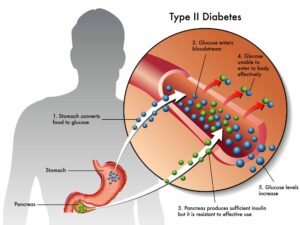
Type II Diabetes is a chronic metabolic condition that affects how the body processes blood sugar (glucose). At Neurolinnk Brain, Spine & Medical Superspeciality Hospital, we provide comprehensive, evidence-based, and personalized Type II Diabetes treatment to help patients achieve long-term glucose control and prevent serious complications.
Since diabetes can impact multiple organs — including the brain, nerves, heart, kidneys, and eyes — early diagnosis and structured treatment are essential for maintaining overall health.
What is Type II Diabetes?
Type II Diabetes occurs when the body becomes resistant to insulin or does not produce enough insulin to maintain normal blood sugar levels. As a result, glucose builds up in the bloodstream, leading to long-term complications if left untreated.
Unlike Type I Diabetes, Type II Diabetes often develops gradually and is strongly associated with lifestyle factors such as obesity, sedentary habits, and poor diet.
Symptoms of Type 2 Diabetes
Early symptoms may be mild. However, common warning signs include:
Frequent urination
Increased thirst
Unexplained fatigue
Blurred vision
Slow wound healing
Numbness or tingling in hands and feet
Recurrent infections
If these symptoms persist, medical evaluation is strongly recommended.
Advanced Diagnosis of Type 2 Diabetes
At Neurolinnk, diagnosis includes:
Fasting Blood Sugar Test
Postprandial Blood Sugar Test
HbA1c (Glycated Hemoglobin)
Random Blood Sugar Test
Lipid Profile
Kidney Function Tests
These investigations not only confirm diabetes but also assess the risk of complications.
Comprehensive Type 2 Diabetes Treatment Approach
1. Lifestyle Modification
Lifestyle management is the foundation of diabetes control. Our experts provide:
Personalized diet planning
Weight management programs
Exercise recommendations
Stress reduction guidance
Even modest weight loss significantly improves insulin sensitivity.
2. Oral Medications
When lifestyle changes are not enough, medications may be prescribed to:
Improve insulin sensitivity
Reduce glucose production by the liver
Increase insulin secretion
Slow carbohydrate absorption
Medication plans are customized based on age, blood sugar levels, and associated health conditions.
3. Insulin Therapy
In some cases, insulin therapy becomes necessary to maintain optimal blood glucose control. Our specialists carefully monitor dosage and response to ensure safety and effectiveness.
4. Monitoring & Follow-Up Care
Regular follow-up helps prevent complications such as:
Diabetic neuropathy
Kidney disease
Heart disease
Stroke
Vision problems
Continuous monitoring ensures long-term health and improved quality of life.
Diabetes-Related Neurological Complications
As a super-speciality centre, Neurolinnk pays special attention to neurological complications of diabetes, including:
Peripheral neuropathy
Autonomic neuropathy
Increased risk of stroke
Cognitive decline
Early detection reduces long-term disability.
Why Choose Neurolinnk for Type 2 Diabetes Treatment?
✔ Multidisciplinary expert care
✔ Advanced laboratory diagnostics
✔ Personalized treatment plans
✔ Preventive complication screening
✔ Patient education & lifestyle counselling
Furthermore, our integrated approach ensures holistic care under one roof.
Importance of Early Diabetes Management
Timely treatment helps:
Prevent organ damage
Maintain stable blood sugar levels
Improve energy and daily functioning
Reduce cardiovascular risks
Enhance life expectancy
Therefore, do not ignore early symptoms or delay testing.
Symptoms of Type II Diabetes
Early symptoms may be mild or unnoticed. Common signs include:
Frequent urination
Excessive thirst
Increased hunger
Unexplained fatigue
Blurred vision
Slow wound healing
Tingling or numbness in hands and feet
Recurrent infections
If left untreated, symptoms may worsen over time.
Diagnosis of Type II Diabetes
Diagnosis typically includes:
Fasting Blood Sugar (FBS)
Postprandial Blood Sugar (PPBS)
HbA1c (Glycated Hemoglobin Test)
Random Blood Sugar Test
Lipid Profile
Kidney Function Tests
An HbA1c level of 6.5% or higher usually confirms diabetes.
Comprehensive Treatment for Type II Diabetes
1. Lifestyle Modification
Lifestyle management is the foundation of diabetes care.
Balanced, low-glycemic diet
Regular physical exercise (at least 30 minutes daily)
Weight reduction
Stress management
Smoking cessation
Even a 5–10% reduction in body weight can significantly improve insulin sensitivity.
2. Oral Medications
When lifestyle changes alone are not enough, doctors may prescribe medications that:
Reduce glucose production
Improve insulin sensitivity
Increase insulin secretion
Slow carbohydrate absorption
Medication plans are personalized based on blood sugar levels and overall health.
3. Injectable Medications & Insulin Therapy
In advanced cases, insulin therapy or other injectable medications may be required to maintain optimal blood glucose levels.
Modern insulin regimens are safe, effective, and carefully monitored by specialists.
Advanced Diagnosis at Neurolinnk Brain,Spine & Medical Superspeciality Hospital
At Neurolinnk Brain, Spine & Medical Superspeciality Hospital, advanced diagnosis is the cornerstone of precise neurological, spine, and multispecialty care. Because many neurological and spinal disorders present with overlapping symptoms, accurate and early diagnosis plays a critical role in preventing complications and improving treatment outcomes.