
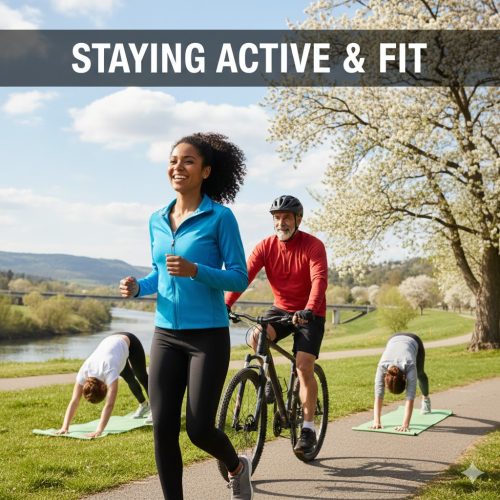
The Ultimate Guide to Staying Active and Fit
Introduction
In today’s fast-paced world, where desk jobs and digital screens dominate our daily lives, maintaining an active and healthy lifestyle has become more important than ever. Staying active and fit is not just about achieving a perfect body—it’s about building long-term health, increasing energy levels, and enhancing mental well-being. According to experts at Neurolinnk Hospital, consistent physical activity can prevent numerous lifestyle-related diseases, improve mood, and boost overall quality of life.This Ultimate Guide to Staying Active and Fit will help you understand the importance of movement, explore practical fitness routines, and discover sustainable ways to stay active—no matter your age or lifestyle.
Why Staying Active and Fit Matters
Physical activity is one of the most powerful tools for maintaining overall health. Studies have shown that even 30 minutes of moderate exercise daily can significantly reduce the risk of chronic illnesses like heart disease, diabetes, and obesity. Moreover, staying active boosts endorphin levels—the brain’s “feel-good” chemicals—helping you manage stress and anxiety effectively.
At Neurolinnk Hospital, specialists emphasize that staying fit isn’t limited to intense gym workouts; it’s about creating a balance between physical movement, mental health, and proper nutrition. The Ultimate Guide to Staying Active and Fit encourages you to make fitness a lifestyle, not a temporary goal.
The Physical Benefits of The Ultimate Guide to Staying Active and Fit
- Enhances Cardiovascular Health
Regular exercise strengthens the heart, improves circulation, and lowers blood pressure. It helps your heart pump oxygen more efficiently, keeping your cardiovascular system healthy. Simple activities like brisk walking, cycling, or swimming can make a huge difference.
- Builds Strength and Flexibility
Strength training and stretching exercises improve muscle tone, joint flexibility, and posture. According to experts from Neurolinnk Hospital, maintaining muscle strength is crucial as you age to prevent injuries and maintain mobility.
- Boosts Immunity
Physical activity helps your immune system work more effectively by promoting good circulation, which allows immune cells to move freely through your body and do their job efficiently.
- Aids in Weight Management
One of the key goals in the Ultimate Guide to Staying Active and Fit is maintaining a healthy weight. Combining regular exercise with a balanced diet helps you burn calories, build muscle, and control body fat levels naturally.
The Mental and Emotional Benefits of Staying Active
Physical health and mental well-being go hand in hand. Staying active can profoundly impact your mood, focus, and self-confidence.
- Reduces Stress and Anxiety
Exercise triggers the release of endorphins, serotonin, and dopamine—all known to reduce stress and anxiety levels. Activities like yoga, meditation, and deep breathing also help balance the mind and body.
- Improves Sleep Quality
A regular exercise routine promotes better sleep patterns by regulating your body’s circadian rhythm. Experts at Neurolinnk Hospital recommend avoiding intense workouts just before bedtime but encourage light stretching or walks for relaxation.
- Boosts Self-Esteem
When you stay fit, you naturally feel more confident and positive about yourself. Small achievements—like completing a morning jog or lifting a heavier weight—can greatly improve your self-image.
Practical Tips to Stay Active and Fit Daily
The Ultimate Guide to Staying Active and Fit is all about consistency and sustainability. You don’t need expensive equipment or long workout hours; small daily habits can bring remarkable results.
- Start Small, Stay Consistent
If you’re new to exercise, begin with short, simple workouts—like 15-minute walks or basic bodyweight exercises. Gradually increase intensity as your stamina improves. Consistency is more important than perfection.
- Incorporate Movement into Routine Tasks
Simple changes—like taking stairs instead of elevators, walking during phone calls, or parking a bit farther from your destination—can increase your daily activity levels.
- Find Activities You Enjoy
Fitness should be fun, not a chore. Whether it’s dancing, swimming, hiking, or cycling, choose activities that make you feel excited. The more you enjoy it, the easier it becomes to stick with it.
- Stay Hydrated and Eat Well
Nutrition plays a vital role in fitness. Eat a balanced diet rich in proteins, whole grains, vegetables, and fruits. Avoid excessive sugar and processed foods. Neurolinnk Hospital recommends maintaining proper hydration as it enhances physical performance and recovery.
- Get Enough Rest
Rest and recovery are just as important as workouts. Muscles grow and repair while you rest, so ensure you’re getting 7–8 hours of quality sleep each night.
Different Types of Exercises to Stay Fit
To get the best results from your fitness routine, it’s essential to include different types of exercises targeting various body needs.
- Aerobic or Cardio Exercises
These improve heart health and endurance. Examples include jogging, cycling, brisk walking, and dancing. Aim for at least 150 minutes of moderate cardio each week.
- Strength Training
Building strength improves metabolism and tones muscles. Bodyweight exercises (push-ups, squats, lunges) or resistance bands can be effective at home.
- Flexibility and Balance Training
Yoga, Pilates, and stretching improve flexibility, balance, and posture, reducing the risk of falls and injuries.
- High-Intensity Interval Training (HIIT)
HIIT involves short bursts of intense activity followed by rest periods. It’s time-efficient and great for burning calories quickly.
- Mind-Body Exercises
Activities like Tai Chi, yoga, and meditation promote mindfulness, helping you stay both mentally and physically active.
How Neurolinnk Hospital Supports a Healthy and Active Lifestyle
At Neurolinnk Hospital, health professionals believe that preventive care is the foundation of long-term wellness. Their holistic approach focuses not only on treating illnesses but also on empowering people to lead active and balanced lives. The hospital offers:
- Personalized Fitness Assessments: Customized evaluations to design safe, effective fitness plans.
- Physiotherapy & Rehabilitation Programs: Tailored sessions for injury recovery and joint mobility improvement.
- Nutrition and Lifestyle Counseling: Expert dietitians guide you to make healthier food choices for sustained fitness.
- Mental Health Support: Mindfulness and stress management sessions that complement physical wellness.
The team at Neurolinnk Hospital understands that true fitness extends beyond the body—it includes emotional stability, nutritional balance, and a positive mindset.
Common Barriers to Staying Active and How to Overcome Them
Even with motivation, many people face challenges maintaining a regular fitness routine. The Ultimate Guide to Staying Active and Fit identifies common barriers and how to overcome them:
- Lack of Time
Busy schedules are a major obstacle. Solution: Break workouts into shorter sessions—10 minutes in the morning, 10 in the evening—and stay consistent.
- Low Motivation
Set realistic goals, track your progress, and celebrate small wins. Exercising with friends or joining group classes can boost motivation.
- Physical Limitations or Injuries
If you have health concerns, consult specialists at Neurolinnk Hospital. Their physiotherapy experts can help design low-impact workouts that suit your condition.
- Boredom
Mix up your workouts to keep things interesting—try swimming one day, yoga the next, and cycling over weekends.
Creating a Sustainable Fitness Plan – The Ultimate Guide to Staying Active and Fit
The key to long-term success lies in developing a sustainable plan tailored to your lifestyle.
Step 1: Set Clear, Achievable Goals
Define your purpose—whether it’s losing weight, increasing stamina, or improving mental health. Specific goals keep you focused.
Step 2: Schedule Regular Workouts
Treat exercise as a non-negotiable appointment in your daily calendar.
Step 3: Track Your Progress
Use fitness apps or journals to record your workouts, meals, and body changes. Seeing your progress keeps you motivated.
Step 4: Stay Accountable
Partner with a workout buddy or join online fitness communities for support.
Conclusion – The Ultimate Guide to Staying Active and Fit
The journey to health and wellness is not about perfection—it’s about consistency, balance, and self-care. The Ultimate Guide to Staying Active and Fit encourages you to move your body daily, nourish it with healthy food, and nurture your mind with positivity. Remember, fitness is not a destination but a lifelong journey.
At Neurolinnk Hospital, the focus is on holistic well-being. By integrating physical fitness, mental health support, and nutritional guidance, they help individuals achieve sustainable, long-term health. So start today—take that first step, and make staying active and fit a permanent part of your lifestyle.