
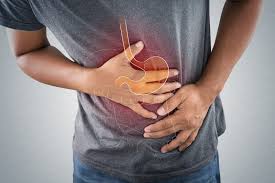
Stomach Pain & Indigestion Treatment in Nagpur at NEUROLINNK HOSPITAL
Stomach Pain & Indigestion are common digestive complaints that many individuals experience at different stages of life. However, when these symptoms occur repeatedly, they may interfere with comfort, appetite, and daily functioning. Stomach pain often appears as cramping, burning, or pressure in the abdominal area. Meanwhile, indigestion usually involves bloating, heaviness, or difficulty digesting food after meals.
Moreover, these symptoms often develop when the digestive system struggles to process food efficiently. Consequently, gas formation, stomach irritation, or slowed digestion may occur. Therefore, understanding the underlying reasons behind Stomach Pain & Indigestion helps individuals recognize early signs and manage digestive health more effectively.
Common Causes of Stomach Pain & Indigestion
Several factors may contribute to Stomach Pain & Indigestion. In many cases, eating habits strongly influence how the digestive system responds after meals. For example, consuming very spicy or oily foods may irritate the stomach lining. Consequently, individuals may experience burning sensations or abdominal discomfort.
Additionally, irregular meal schedules sometimes disturb the stomach’s natural digestive rhythm. Meanwhile, overeating may place excess pressure on digestive organs, which can lead to bloating and discomfort.
Stress and anxiety can also affect digestion. As a result, the stomach may produce excess acid or experience slower digestion. Therefore, identifying these triggers helps individuals manage Stomach Pain & Indigestion more effectively.
Patient Awareness and Digestive Evaluation
At NEUROLINNK HOSPITAL, digestive concerns are approached with careful assessment to determine possible underlying causes. In addition to medical evaluation, patients are encouraged to understand factors that may trigger stomach discomfort or indigestion.
For instance, symptoms such as persistent abdominal pain, repeated vomiting, or unexplained weight loss should never be ignored, as they may indicate a more serious digestive issue that requires medical attention.
At the same time, mild digestive discomfort can sometimes occur because of temporary lifestyle or dietary changes. Recognizing these patterns allows individuals to respond early and make appropriate adjustments before symptoms worsen.
How Eating Habits Influence Stomach Pain & Indigestion
Dietary habits play a major role in digestive health. Therefore, certain eating behaviors may increase the likelihood of Stomach Pain & Indigestion.
For example, eating very quickly may prevent proper chewing of food. As a result, the stomach must work harder to break down food particles during digestion. Similarly, consuming large meals late at night may slow digestive processes.
Additionally, excessive caffeine intake may stimulate acid production in the stomach. Consequently, individuals may experience heartburn or irritation after meals. Developing mindful eating habits, including slower eating and balanced portion sizes, helps support smoother digestion.
Lifestyle Factors That May Influence Digestive Health
Daily habits can strongly affect how the digestive system functions. Physical activity, for example, plays an important role in maintaining healthy digestion. When individuals remain active, the digestive tract works more efficiently and supports smoother metabolic processes.
In contrast, a lack of movement may slow digestion and contribute to symptoms such as bloating or discomfort. Regular movement encourages intestinal activity and helps the body process food more effectively.
Emotional stress can also influence digestion. When stress levels rise, communication between the brain and digestive system may become disrupted. Because of this, some individuals notice recurring stomach discomfort or indigestion during periods of mental strain.
People who wish to understand how overall body systems interact, including the relationship between digestion and neurological health, can explore the neurological services offered by the hospital.
The Role of Hydration in Preventing Indigestion
Importance of Balanced Nutrition for Digestive Health
Dietary habits have a direct impact on digestive function. A well-balanced diet can help minimize episodes of stomach discomfort and indigestion.
Foods that contain adequate fiber support smoother bowel movements and improve digestive efficiency. Whole grains, vegetables, and fruits contribute to maintaining a healthy digestive rhythm.
Meanwhile, excessive intake of heavily processed foods may interfere with normal digestion. These foods may increase acidity or slow digestive activity, leading to discomfort.
Choosing balanced meals that include fiber, protein, and healthy fats can support better digestive stability and help maintain long-term gastrointestinal health.
Physical Activity and Its Impact on Digestion
When Stomach Pain & Indigestion Need Medical Attention
Occasional digestive discomfort may occur due to temporary dietary or lifestyle factors. However, persistent symptoms should not be ignored.
For example, severe abdominal pain, frequent vomiting, or unexplained weight loss may indicate more serious digestive conditions. Meanwhile, ongoing indigestion lasting several weeks may require medical evaluation.
Therefore, early consultation helps identify possible digestive disorders and ensures timely treatment. Monitoring symptoms carefully allows healthcare professionals to determine the most appropriate care approach for Stomach Pain & Indigestion.
Prompt attention helps prevent minor digestive issues from developing into long-term health concerns.
Why Choose NEUROLINNK HOSPITAL for Stomach Pain & Indigestion in Nagpur
NEUROLINNK HOSPITAL focuses on careful evaluation of digestive symptoms to understand their underlying causes. Instead of addressing discomfort alone, healthcare professionals analyze dietary patterns, lifestyle habits, and overall health factors.
Additionally, patient awareness plays an important role in managing digestive health. Individuals receive guidance on recognizing triggers that may lead to stomach irritation or indigestion.
Moreover, structured health assessments allow professionals to monitor symptoms and recommend appropriate care strategies. Consequently, patients receive clear guidance for managing Stomach Pain & Indigestion while improving their digestive health over time.
Why Choose NEUROLINNK HOSPITAL for Cold & Cough Management in Nagpur
NEUROLINNK HOSPITAL focuses on a patient-centered approach that emphasizes careful evaluation and symptom understanding. Therefore, treatment plans are designed based on individual health conditions rather than generalized assumptions.
Additionally, the hospital prioritizes clear communication so patients understand their symptoms and recovery process. Consequently, individuals feel more confident in managing respiratory infections and preventing future episodes.
Moreover, a multidisciplinary healthcare approach allows professionals to examine underlying health factors that may contribute to recurring infections. Thus, Cold & Cough Management involves both symptom relief and long-term wellness strategies.
Through comprehensive evaluation and structured guidance, NEUROLINNK HOSPITAL helps patients improve respiratory health while encouraging preventive lifestyle habits.
Frequently Asked Questions (FAQs)
1. What usually causes stomach pain and indigestion?
Stomach pain and indigestion often occur due to overeating, spicy foods, irregular meals, or stress. Additionally, digestive disorders, infections, or acid reflux may sometimes trigger recurring abdominal discomfort after meals.
2. Can stress lead to indigestion problems?
Yes. Stress can affect communication between the brain and digestive system. Consequently, digestion may slow down or stomach acid levels may increase, which can lead to discomfort, bloating, or indigestion symptoms.
3. Which foods commonly trigger indigestion?
Foods high in oil, spice, caffeine, or acidity may irritate the stomach lining. Consequently, individuals may experience bloating, burning sensations, or stomach discomfort after consuming such foods frequently.
4. When should someone see a doctor for stomach pain?
Medical attention becomes important if stomach pain persists for several days, becomes severe, or occurs with symptoms like vomiting, fever, or unexplained weight loss.
5. Can lifestyle changes improve indigestion symptoms?
Yes. Regular meals, balanced nutrition, proper hydration, and moderate physical activity can significantly improve digestion and reduce recurring episodes of stomach pain or indigestion.
Why Choose NEUROLINNK HOSPITAL for Cold & Cough Management in Nagpur
NEUROLINNK HOSPITAL focuses on a patient-centered approach that emphasizes careful evaluation and symptom understanding. Therefore, treatment plans are designed based on individual health conditions rather than generalized assumptions.
Additionally, the hospital prioritizes clear communication so patients understand their symptoms and recovery process. Consequently, individuals feel more confident in managing respiratory infections and preventing future episodes.
Moreover, a multidisciplinary healthcare approach allows professionals to examine underlying health factors that may contribute to recurring infections. Thus, Cold & Cough Management involves both symptom relief and long-term wellness strategies.
Through comprehensive evaluation and structured guidance, NEUROLINNK HOSPITAL helps patients improve respiratory health while encouraging preventive lifestyle habits.