
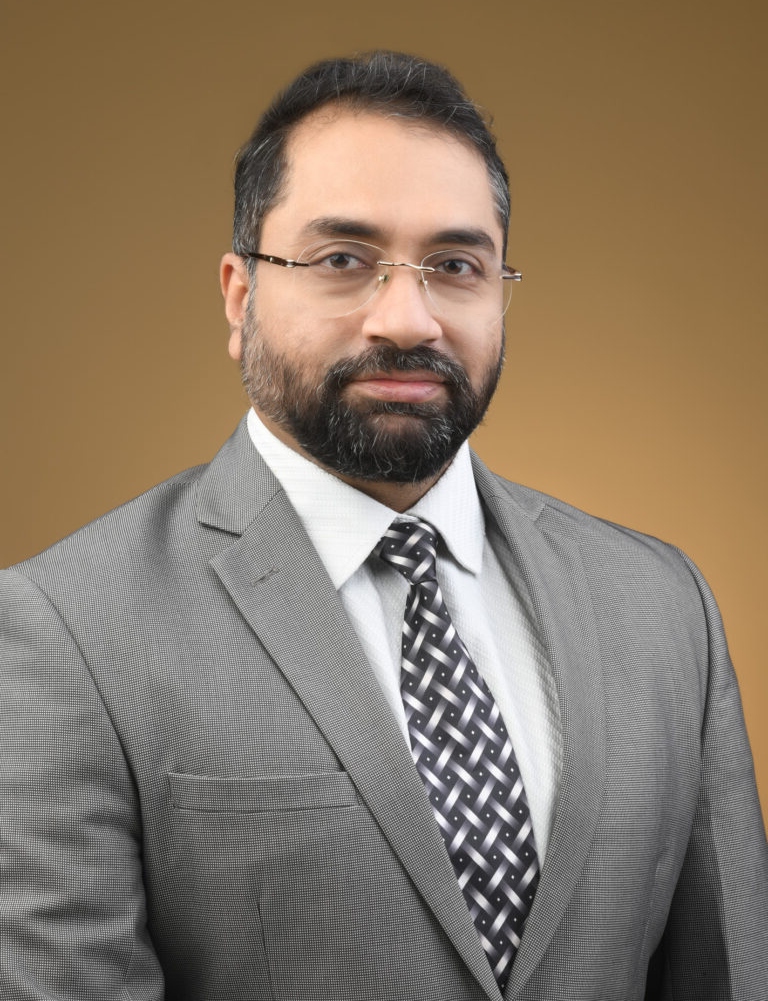
Prof. Dr. Pavitra Patnaik
Director Neurosurgery
Senior Consultant, Brain & Spine Surgeon (Neurosurgeon) | 20,000+ Surgeries | Ex. Head of the Department Neurosurgery & Head of Nerotrauma (SSH & GMC Nagpur)
MBBS (Grant Medical College, Mumbai, M5-General Surgery (T.N.M.C., Nair Hospital, Mumbai) M.Ch. Neuro Surgery (Chennai)
- He was head of the department of Neurosurgery Superspeciality hospital GMC Nagpur for 8 years.
- He worked as Associate Professor in Neurosurgery at Sir JJ Group of Hospitals Mumbai, Grant Medical College , also his Alma- mata, for 3 years .
- Worked as head of Neuro trauma at the largest level -1 Trauma care centre in Maharashtra for 3 years.
- Under his able guidance and supervision first cadaveric organ retrieval was performed in Trauma centre GMC Nagpur, In 2018 – the first retrieval in any government institute in Maharashtra.
- He was awarded and felicitated by IMA Nagpur as the COVID warrior for converting Trauma centre in GMC to COVID hospital in record time of less than a month and serving with additional charge of Covid administrator during the pandemic.
- He is a Professor and post graduate MCh. teacher at Superspeciality hospital GMC Nagpur.
- He is the director of Neurosurgery at two advanced Neurosurgical centres – Kalpavruksha hospital and
- Neurolinnk hospital both at Chhatrapati square Nagpur.
1. Head Injury (Brain & Spine Trauma)
Brain injuries can result from accidents, oxygen deprivation, infections, or toxins. The effects range from mild to severe — temporary confusion or headaches to long-term disabilities and personality changes. Early diagnosis and rehabilitation are vital.
- Subdural Hematoma
- Extra Dural Hematoma
- Depressed Skull Fracture
- Penetrating Head Injuries
2. Stroke / Paralysis
Loss of muscle control due to spinal injury, infection, or tumor. Managed via medication, physical therapy, or surgery depending on severity.
- Brain Hemorrhage
- Intraventricular Bleed
- Venous Sinus Thrombosis
- Ischemic infarcts / Vascular occlusion
3. Spine Surgery / Lumbar Cervical and Dorsal
Spinal surgeries including laminectomy, discectomy, or fusion — performed to relieve chronic pain or correct spinal alignment.
- Disc Surgeries (Cervical / Lumbar)
- Fixation Procedures
- Spinal CSF Leak Repair
- Spinal Trauma
- Spinal Tumors
- CV Junction Anomalies
- Congenital Spinal Defects/Spinal Dysraphism
4. Brain Tumors
Treatment for various benign and malignant brain tumors using microsurgical techniques.
- Meningiomas,Glioms
- Pituitary & Cerebellar Tumors
- Skull Base Tumors-CP-angle Tumor, Trigeminal Schwannoma,
- Pediatric brain Tumor surgery
5. Congenital Birth Defects
Corrective surgeries for congenital brain and spine defects like meningoceles and hydrocephalus.
- Cranial & Spinal Meningoceles
- Congenital Hydrocephalus
6. Vascular Neurosurgery
Specialized surgery for vascular disorders of the brain and spine such as aneurysms, AVMs, or stroke.
7. Spinal Cord Tumors
Treatment for benign and malignant tumors affecting the spinal cord.
- Neurofibromas
- Meningiomas
- Ependymomas
8. Life Saving Decompressive brain surgeryin Stroke patients
1. Head Injury (Conservative)
Non-surgical management for mild head trauma or diffuse axonal injury with medication and monitoring.
- Conservative Head Trauma
- Diffuse Axonal Injury
2. Epilepsy
Medication and non-surgical management for seizure disorders, customized per patient profile.
3. Stroke / Paralysis (Non-Invasive)
Rehabilitation and physiotherapy for improved motor function and mobility, supported by medications.
4. Headache / Migraine
Diagnosis and management using medication, relaxation, and lifestyle modification.
5. Trigeminal Neuralgia
Treatment of severe facial pain using anticonvulsants or minimally invasive procedures.
6. Vertigo / Dizziness
Comprehensive evaluation and treatment of balance disorders, often related to inner ear conditions.
7. Tuberculosis of Brain / Spine
Medical therapy and long-term antibiotic treatment for TB meningitis or spinal TB.
8. Neurocysticercosis
Management of parasitic CNS infection caused by tapeworm eggs with medications and monitoring.