
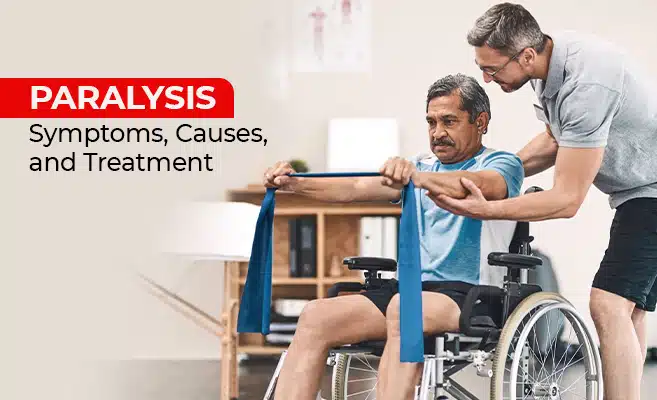
At Neurolinnk Brain, Spine & Medical Superspeciality Hospital, led by Dr. Pavitra Patnaik, we provide Paralysis Treatment In Nagpur, combining modern diagnostic techniques, advanced therapies, and personalized rehabilitation plans. Paralysis is a condition characterized by loss of muscle function or sensation in part of the body, often caused by neurological disorders such as stroke, spinal cord injury, or nerve damage. Prompt evaluation and treatment are essential for improving recovery outcomes and regaining mobility.
Immediate consultation is crucial, especially after stroke, injury, or sudden paralysis. Early intervention improves functional recovery and reduces complications.Neurolinnk provides pediatric paralysis care for congenital conditions, injuries, or nerve-related paralysis in children.
Causes of Paralysis Can Affect Any Part Of The Body
Stroke or brain injury: Interruption of blood flow to the brain leading to hemiplegia or hemiparesis
Spinal cord injury: Trauma causing loss of motor or sensory function below the injury site
Peripheral nerve damage: Nerve compression or injury leading to localized paralysis
Neurological disorders: Conditions like Guillain-Barre syndrome, multiple sclerosis, or cerebral palsy
Infections: Severe infections affecting nerves or spinal cord
Trauma or accidents: Road accidents, falls, or sports injuries
Types of Paralysis We Treat
Hemiplegia: Paralysis affecting one side of the body, usually caused by stroke.
Paraplegia: Lower body paralysis due to spinal cord injury.
Quadriplegia / Tetraplegia: Paralysis affecting both arms and legs, often from cervical spinal injury.
Facial Paralysis: Loss of movement in facial muscles due to nerve damage.
Bell’s Palsy & Peripheral Paralysis: Temporary or permanent nerve-related paralysis.
Advanced Diagnosis for Paralysis
At Neurolinnk, accurate diagnosis is critical to effective treatment. Our evaluation includes:
MRI & CT scans: Detect brain, spinal cord, or nerve damage
Electromyography (EMG) & Nerve Conduction Studies: Assess nerve function and severity
Blood Tests & Neurophysiological Tests: Identify underlying neurological disorders
3D Imaging & Functional Assessments: Helps plan surgery or rehabilitation
Paralysis Treatment Options Non-Surgical Treatment
Physiotherapy and occupational therapy: Restores movement and strengthens muscles
Medication: Anti-inflammatory drugs, anticoagulants, and neuroprotective therapy
Nerve stimulation therapy: Improves muscle activation and coordination
Speech therapy: For patients with facial or vocal paralysis
Surgical Treatment
Spinal decompression or nerve repair: For trauma-induced paralysis
Microvascular decompression & nerve grafting: For severe nerve injuries
Minimally invasive neurosurgery: Reduces recovery time and improves functional outcomes
Rehabilitation and Recovery
Recovery from paralysis depends on cause, severity, and timing of treatment. At Neurolinnk, we provide:
Tailored physiotherapy programs to regain mobility
Occupational therapy for daily activity independence
Robotic-assisted rehabilitation for advanced motor recovery
Regular follow-up and monitoring to prevent complications
Early intervention and consistent rehabilitation significantly improve outcomes and help patients regain independence.
Why Choose Neurolinnk for Paralysis Treatment in Nagpur?
Expert Neurologists & Neurosurgeons: Led by Dr. Pavitra Patnaik, experienced in complex neurological and spinal conditions.
Comprehensive Care: From diagnosis to rehabilitation, all under one roof.
Advanced Technology: MRI, CT, 3D imaging, and neuronavigation for precise diagnosis and treatment.
Minimally Invasive Procedures: Faster recovery and reduced complications.
Patient-Centered Approach: Personalized therapy plans for maximum functional recovery.
Comprehensive Paralysis Treatment in Nagpur
Paralysis can dramatically impact daily life, affecting mobility, independence, and overall health. At Neurolinnk Brain, Spine & Medical Superspeciality Hospital, we offer advanced paralysis treatment in Nagpur for patients suffering from stroke, spinal cord injury, nerve damage, or neurological disorders. Our multidisciplinary approach combines state-of-the-art technology, expert neurosurgeons, and dedicated rehabilitation programs to maximize recovery.
Common Causes of Paralysis
Understanding the underlying cause of paralysis is crucial for effective treatment. Common causes include:
Stroke: Reduced blood flow to the brain causing hemiplegia or hemiparesis.
Spinal Cord Injury: Trauma or compression leading to paraplegia or quadriplegia.
Peripheral Nerve Disorders: Damage to nerves causing localized paralysis.
Neurological Disorders: Conditions like Guillain-Barre syndrome, multiple sclerosis, cerebral palsy, or ALS.
Traumatic Injuries: Accidents, falls, or sports injuries.
Infections: Severe infections affecting nerves or spinal cord.
FAQs For Paralysis Treatment in Nagpur
Q1. What is paralysis and what causes it?
A: Paralysis is the loss of muscle function or sensation in part of the body. Common causes include stroke, spinal cord injury, nerve damage, neurological disorders (like multiple sclerosis or Guillain-Barre syndrome), trauma, or infections.
Q2. Can paralysis be treated or reversed?
A: Yes. Depending on the cause and severity, paralysis can be treated with physiotherapy, occupational therapy, medications, nerve stimulation, and in some cases, surgery. Early treatment improves recovery outcomes.
Q3. How is paralysis diagnosed?
A: Diagnosis involves MRI, CT scans, EMG (electromyography), nerve conduction studies, functional assessments, and blood or neurophysiological tests to determine the type and severity of paralysis.
Q4. What are the treatment options for paralysis?
A: Treatment includes:
Non-surgical therapy: Physiotherapy, occupational therapy, nerve stimulation, medications, and speech therapy.
Surgical options: Nerve repair, spinal decompression, microvascular decompression, nerve grafting, or minimally invasive neurosurgery for severe cases.