
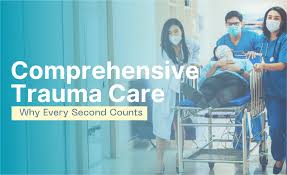
Neuro Trauma Care in Nagpur – Advanced Emergency Neurological Services at Neurolinnk Brain, Spine & Medical Superspeciality Hospital
A well-equipped neuro trauma center plays a vital role in stabilizing patients, diagnosing internal injuries, and initiating timely surgical or non-surgical management. At Neurolinnk Brain, Spine & Medical Superspeciality Hospital, specialized neuro trauma care is delivered through rapid emergency response, advanced imaging support, experienced neurosurgeons, and structured rehabilitation programs.
Early recognition of symptoms such as unconsciousness, severe headache, vomiting, weakness, numbness, or seizures ensures faster medical response and better outcomes.
Brain Tumor Surgery by a Neurosurgeon in Nagpur
Common Causes of Neuro Trauma
Neuro trauma is most frequently associated with road accidents, particularly in urban and semi-urban areas. High-speed collisions, motorcycle accidents without helmets, and pedestrian injuries significantly increase the risk of head and spine injuries. Falls from height, especially among elderly individuals, are another major cause of traumatic brain and spinal injuries.
Workplace accidents, construction-related falls, sports injuries, and physical assaults can also result in severe neurological trauma. In children, accidental falls and sports mishaps are common contributors.
Understanding these causes highlights the importance of preventive measures such as wearing helmets, seat belts, protective gear, and maintaining workplace safety protocols. Despite precautions, accidents may still occur, making access to immediate neuro trauma care essential for survival and recovery.
Types of Neuro Trauma
Neuro trauma primarily includes traumatic brain injuries and spinal cord injuries. Traumatic brain injuries may be classified as mild, moderate, or severe based on the level of consciousness and neurological impairment. Concussions represent mild TBIs, while severe injuries may involve brain bleeding, swelling, or skull fractures.
Spinal trauma may lead to vertebral fractures, disc injuries, nerve compression, or spinal cord damage. Depending on the injury location, patients may experience partial or complete paralysis.
Peripheral nerve injuries are another category, affecting sensation or movement in specific body parts. Accurate classification of trauma type allows specialists to design targeted treatment strategies.
Emergency Assessment and Stabilization
Neuro trauma requires immediate emergency assessment. The primary goal is to stabilize the patient, maintain airway and breathing, and prevent further neurological deterioration. Immobilization of the spine is critical in suspected spinal injuries to avoid additional damage.
Advanced imaging techniques such as CT scans and MRI are used to identify bleeding, fractures, swelling, or nerve compression. Quick diagnosis allows doctors to determine whether surgical intervention is necessary.
At Neurolinnk Brain, Spine & Medical Superspeciality Hospital, emergency neuro trauma protocols are designed to minimize treatment delays and optimize patient safety. Rapid and coordinated care significantly improves survival rates and functional outcomes.
Surgical Management of Neuro Trauma
In severe cases, surgery becomes necessary to relieve pressure on the brain or spinal cord. Procedures may include evacuation of blood clots, repair of skull fractures, decompression surgery, or spinal stabilization using rods and screws.
Modern neurosurgical techniques focus on minimizing tissue damage while achieving maximum stabilization. Advanced surgical planning based on detailed imaging enhances precision and safety.
The surgical team carefully evaluates risks and benefits before proceeding. Postoperative monitoring ensures early detection of complications and supports recovery. Surgical intervention, when performed promptly, can prevent permanent neurological damage and improve long-term prognosis.
Preventing Complications After Neuro Trauma
Importance of Early Intervention
Time is critical in neuro trauma cases. Immediate medical attention significantly increases survival chances and reduces the risk of permanent disability. Recognizing symptoms such as loss of consciousness, persistent headache, vomiting, limb weakness, or confusion should prompt urgent evaluation.
Public awareness and quick emergency response can save lives. Early diagnosis, rapid stabilization, and appropriate treatment form the foundation of successful neuro trauma care.
Why Choose Neurolinnk for Neuro Trauma Care in Nagpur?
Selecting a specialized neuro trauma center ensures access to advanced diagnostics, experienced neurosurgeons, and comprehensive emergency services. Neurolinnk Brain, Spine & Medical Superspeciality Hospital offers integrated neuro trauma management under one roof.
The hospital provides 24/7 emergency response, advanced imaging, surgical expertise, intensive care support, and structured rehabilitation programs. A multidisciplinary approach ensures holistic patient care from admission to recovery.
Commitment to patient safety, transparent communication, and evidence-based treatment makes Neurolinnk a trusted choice for neuro trauma care in Nagpur.
Conclusion
Neuro trauma is a serious medical emergency that demands immediate and specialized intervention. From initial stabilization to advanced surgical care and long-term rehabilitation, every stage of treatment influences recovery outcomes.
At Neurolinnk Brain, Spine & Medical Superspeciality Hospital, comprehensive neuro trauma services are designed to restore neurological function, prevent complications, and support long-term well-being. Early intervention and expert care remain the key to successful recovery and improved quality of life.
Book an Appointment
Scheduling a consultation at Neurolinnk Brain, Spine & Medical Superspeciality Hospital is simple and convenient. Patients experiencing persistent headaches, back pain, neck pain, numbness, seizures, or any neurological symptoms are encouraged to seek early evaluation. Timely consultation helps in accurate diagnosis and faster recovery.
You can book an appointment by calling the hospital directly during working hours or by visiting the clinic reception in person. Many patients also prefer scheduling through the official website or online appointment portal. When booking, it is helpful to mention your primary symptoms, previous medical history, and any reports such as MRI, CT scan, or blood test results.
Frequently Asked Questions (FAQs)
1. What is neuro trauma?
Neuro trauma refers to injuries affecting the brain, spinal cord, or nerves due to accidents, falls, or sudden impact.
2. What are common symptoms of neuro trauma?
Symptoms may include unconsciousness, severe headache, vomiting, seizures, weakness, numbness, confusion, or difficulty speaking.
3. When should I seek emergency care for head or spine injury?
Immediate medical attention is needed if there is loss of consciousness, persistent headache, neck pain, limb weakness, or abnormal behavior after an injury.
4. Does every neuro trauma case require surgery?
No. Mild injuries may be treated with observation and medication, while severe cases may require surgical intervention.
5. Where can I get neuro trauma care in Nagpur?
You can consult specialists at Neurolinnk Brain, Spine & Medical Superspeciality Hospital for comprehensive emergency neuro care.
6. How long does recovery take after neuro trauma?
Recovery time depends on the severity of the injury. Mild cases may recover in weeks, while severe injuries may require months of rehabilitation.
7. Is rehabilitation necessary after neuro trauma?
Yes, physiotherapy and supportive therapies often help restore strength, mobility, and neurological function.