
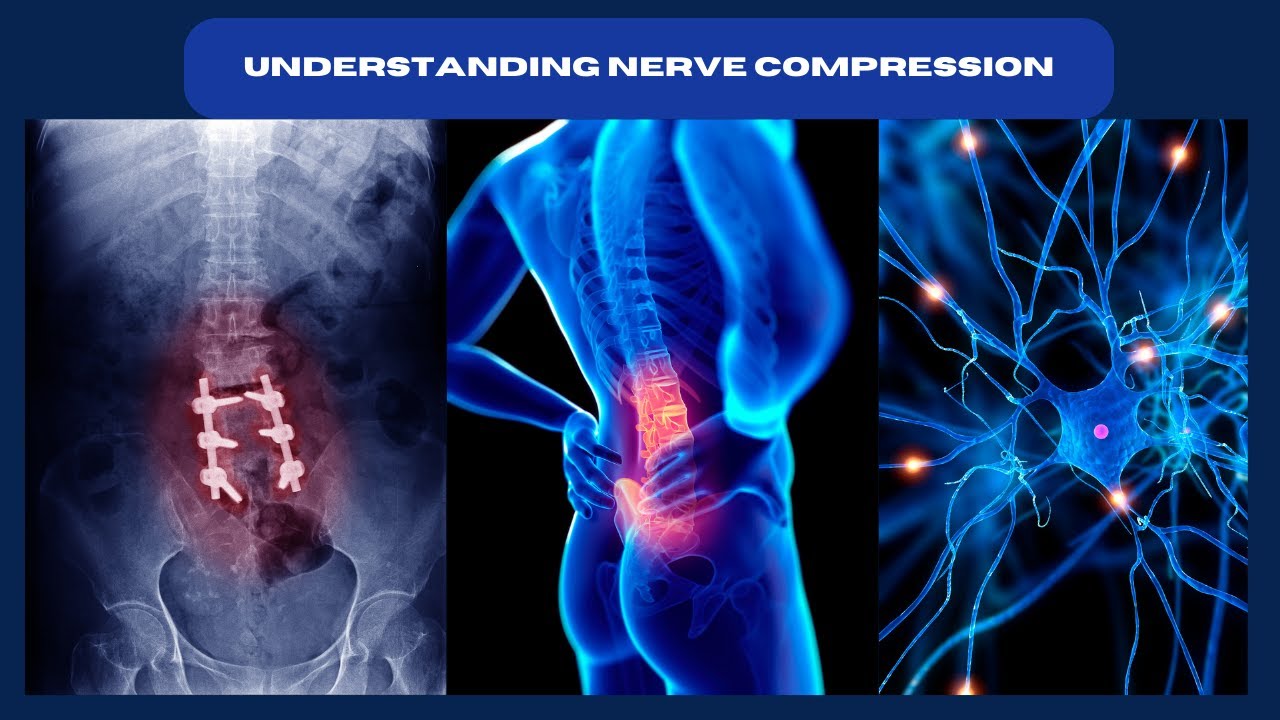
At Neurolinnk Brain, Spine & Medical Superspeciality Hospital, led by Dr. Pavitra Patnaik, we provide comprehensive nerve compression treatment in Nagpur. Our expert team uses advanced diagnostic tools, precise surgical techniques, and targeted rehabilitation to restore function and relieve pain.
Patients treated at Neurolinnk have successfully regained mobility and relief from chronic nerve compression symptoms. Our combination of expert surgical care, non-invasive therapies, and dedicated rehabilitation helps patients restore function and improve their quality of life.
Nerve compression, often referred to as a pinched nerve, occurs when surrounding tissues like muscles, bones, or ligaments apply pressure on a nerve. This can cause pain, numbness, tingling, and weakness, affecting mobility and quality of life.
Causes of Nerve Compression
Nerve compression can affect various parts of the body, including the spine, neck, arms, and legs. Common causes include:
Herniated or bulging discs pressing on spinal nerves
Spinal stenosis (narrowing of the spinal canal)
Degenerative disc disease and osteoarthritis
Muscle tightness or inflammation
Injury or trauma to nerves or surrounding tissues
Repetitive stress or poor posture causing pressure on peripheral nerves
Symptoms of Nerve Compression
Recognizing the symptoms early is crucial for effective treatment. Signs may include:
Pain radiating along the nerve path
Numbness or tingling in arms, hands, legs, or feet
Weakness in affected muscles
Reduced coordination or dexterity
Burning or electric shock-like sensations
Diagnosis of Nerve Compression
Accurate diagnosis is key to effective nerve compression treatment. At Neurolinnk, we use:
MRI & CT Scans: Identify structural causes such as herniated discs or bone spurs
Electromyography (EMG) & Nerve Conduction Studies: Assess nerve function and damage
X-rays: Examine bone alignment and degeneration
Physical & Neurological Evaluation: Determine affected nerves and severity
Treatment Options for Nerve Compression
Non-Surgical Treatment
Pain medications and anti-inflammatories to reduce symptoms
Physical therapy to relieve pressure and strengthen supporting muscles
Lifestyle modification and ergonomic guidance
Nerve block injections for targeted relief
Cervical or lumbar traction therapy
Surgical Treatment
If conservative treatments fail, surgery may be recommended:
Microdiscectomy or Endoscopic Discectomy – removes herniated disc pressing on nerves
Laminectomy & Foraminotomy – relieves spinal nerve compression
Nerve decompression surgery for peripheral nerves
Minimally invasive techniques to reduce recovery time and complications
Rehabilitation After Nerve Compression Treatment
Recovery depends on the severity and type of nerve compression. Our rehabilitation programs include:
Physiotherapy & targeted exercises to strengthen muscles and prevent recurrence
Occupational therapy to improve daily function
Home exercise programs for continued recovery
Lifestyle counseling to prevent further nerve compression
Why Choose Neurolinnk for Nerve Compression Treatment in Nagpur?
Expert Spine & Nerve Specialists: Led by Dr. Pavitra Patnaik, with years of experience treating nerve compression.
Comprehensive Care: From accurate diagnosis to treatment and rehabilitation.
Advanced Technology: MRI, CT scans, EMG, and minimally invasive surgical equipment.
Personalized Treatment Plans: Tailored therapy for each patient’s condition.
Holistic Recovery Programs: Rehabilitation and follow-up care to ensure long-term relief.
Advanced Nerve Compression Treatment in Nagpur
Nerve compression, commonly known as a pinched nerve, can severely impact mobility and quality of life. At Neurolinnk Brain, Spine & Medical Superspeciality Hospital, we offer comprehensive nerve compression treatment in Nagpur, combining advanced diagnostics, non-surgical care, precise surgical interventions, and personalized rehabilitation programs.
Our team, led by Dr. Pavitra Patnaik, ensures patients receive effective relief from pain, tingling, numbness, and weakness caused by compressed nerves.
Advanced Diagnosis at Neurolinnk
Accurate diagnosis ensures targeted and effective treatment. At Neurolinnk, our diagnostic tools include:
MRI & CT Scans: Detect herniated discs, bone spurs, and nerve compression points
Electromyography (EMG) & Nerve Conduction Studies: Measure nerve function and pinpoint the affected area
X-rays: Assess vertebral alignment and degenerative changes
Functional & Neurological Evaluation: Helps determine severity and plan treatment
FAQs For Nerve Compression Treatment in Nagpur
Q1. What is nerve compression?
A: Nerve compression occurs when tissues such as muscles, ligaments, or bones put pressure on a nerve, causing pain, numbness, or weakness.
Q2. What causes nerve compression in the spine?
A: Common causes include herniated discs, spinal stenosis, degenerative changes, or injury.
Q3. Can nerve compression be treated without surgery?
A: Yes. Many cases improve with physical therapy, medications, nerve block injections, traction, and lifestyle changes.
Q4. When is surgery necessary for nerve compression?
A: Surgery is considered when conservative treatments fail or if there is severe pain, weakness, or nerve damage.
Q5. How long does recovery take after nerve decompression surgery?
A: Recovery varies; minimally invasive procedures may allow a return to daily activities within 2–4 weeks, while more complex surgeries may take several months.