
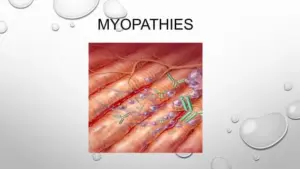
Myopathy is a group of disorders that primarily affect the muscles, leading to weakness, fatigue, and reduced mobility. It can result from genetic conditions, autoimmune disorders, metabolic imbalances, or other underlying neurological causes. Early diagnosis and specialized care are essential to manage symptoms and improve quality of life.
At Neurolinnk Brain, Spine & Medical Superspeciality Hospital, we provide comprehensive myopathy evaluation, advanced diagnostics, and personalized treatment plans tailored to each patient’s needs.
What Is Myopathy?
Myopathy refers to muscle diseases where the primary problem originates within the muscle fibers themselves. Unlike nerve disorders, which affect the communication between nerves and muscles, myopathies directly impact muscle strength and function.
Symptoms may appear gradually or suddenly, depending on the type of myopathy. Early detection is crucial to prevent complications and maintain functional independence.
Common Symptoms of Myopathy
Patients with myopathy may experience:
Persistent muscle weakness
Fatigue or low endurance
Difficulty walking, climbing stairs, or lifting objects
Muscle cramps or stiffness
Muscle wasting or shrinking
Trouble swallowing or speaking (in severe cases)
Rapid exhaustion during routine activities
If you notice persistent muscle weakness or fatigue, neurological consultation is strongly recommended.
Types of Myopathy
Neurolinnk specialists diagnose and manage different forms of myopathy, including:
1. Inherited Myopathies
Muscular dystrophies (e.g., Duchenne, Becker)
Congenital myopathies
2. Acquired Myopathies
Inflammatory myopathies (e.g., polymyositis, dermatomyositis)
Metabolic myopathies (e.g., glycogen storage disorders)
Drug-induced myopathies
Endocrine or electrolyte-related myopathies
Each type requires a personalized diagnostic and treatment approach.
Advanced Myopathy Diagnosis at Neurolinnk
Accurate diagnosis is key to effective treatment. Our structured evaluation includes:
Detailed clinical history and symptom review
Neurological and physical examination
Blood tests for muscle enzymes (e.g., CPK)
Electromyography (EMG) to assess muscle electrical activity
Muscle biopsy for histopathological analysis
Genetic testing for inherited myopathies
MRI of affected muscles for structural evaluation
This evidence-based approach ensures precise diagnosis and targeted treatment planning.
Treatment Options for Myopathy
Treatment depends on the type, severity, and underlying cause of the myopathy.
Medical & Non-Surgical Management:
Anti-inflammatory medications for autoimmune myopathies
Immunosuppressive therapy for severe inflammatory conditions
Hormonal or metabolic correction for endocrine-related myopathy
Physical therapy and supervised exercise programs
Pain management and supportive care
Advanced Interventions:
Genetic counseling for inherited myopathies
Rehabilitation programs to improve mobility
Assistive devices for daily activities in severe cases
Early intervention can significantly improve quality of life and slow disease progression.
Lifestyle & Supportive Measures
Neurolinnk emphasizes holistic care for patients with myopathy:
Regular, supervised exercise to maintain muscle strength
Balanced diet rich in proteins and essential nutrients
Avoiding overexertion to prevent muscle injury
Occupational therapy to support daily living
Emotional and caregiver support programs
Why Choose Neurolinnk for Myopathy Care?
Experienced neurologists and neuromuscular specialists
Comprehensive diagnostic facilities
Personalized treatment plans
Evidence-based therapies and rehabilitation
Long-term monitoring and follow-up care
Patient-centered and compassionate approach
At Neurolinnk, our goal is to restore muscle function, reduce fatigue, and improve overall quality of life for patients with myopathy.
Comprehensive Myopathy Care Program at Neurolinnk
Myopathy affects the muscles, leading to weakness, fatigue, and reduced mobility. At Neurolinnk Brain, Spine & Medical Superspeciality Hospital, we offer a complete myopathy care program, combining advanced diagnosis, personalized treatment, rehabilitation, and long-term follow-up to enhance patient well-being.
Our multidisciplinary approach ensures that every patient receives holistic care, addressing both physical and emotional needs.
Causes of Myopathy
Myopathy can develop due to several factors:
Genetic factors: Inherited muscular dystrophies and congenital myopathies
Autoimmune disorders: Polymyositis, dermatomyositis
Metabolic disorders: Glycogen storage diseases, mitochondrial myopathies
Endocrine imbalances: Thyroid or adrenal disorders
Medication-induced: Statins, steroids, or certain antiviral drugs
Chronic systemic illnesses: Diabetes, kidney disease, or liver disease
Identifying the exact cause is critical for targeted treatment and long-term management.
Symptoms of Myopathy
Patients may experience gradual or sudden muscle weakness, often affecting specific areas. Common symptoms include:
Persistent fatigue or low endurance
Difficulty climbing stairs, walking, or lifting objects
Muscle cramps or stiffness
Muscle wasting (atrophy) over time
Trouble swallowing or speaking in severe cases
Unexplained weight loss due to muscle loss
Reduced reflexes and coordination
If these symptoms are persistent, consulting a neuromuscular specialist is crucial.
Advanced Diagnosis at Neurolinnk Brain,Spine & Medical Superspeciality Hospital
Don’t let muscle weakness control your life. Schedule a comprehensive myopathy assessment at Neurolinnk to receive expert diagnosis, advanced treatment, and long-term care support.
Early intervention improves mobility, prevents complications, and enhances overall quality of life.