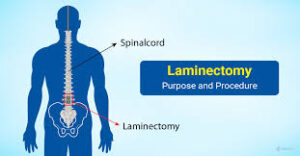
Laminectomy Surgery in Nagpur – Advanced Spine Care at Neurolinnk Brain, Spine & Medical Superspeciality Hospital
Laminectomy surgery is a highly effective procedure designed to relieve pressure on the spinal cord and nerves caused by spinal stenosis, herniated discs, or degenerative spine conditions. Essentially, the surgery involves removing a small portion of the vertebra called the lamina to create additional space for the spinal nerves. Consequently, this reduces nerve compression, alleviates pain, and improves mobility.
Patients suffering from chronic back pain, numbness, tingling, or weakness often benefit from laminectomy when conservative treatments like medication, physiotherapy, or injections fail to provide relief. Moreover, the procedure can prevent the progression of neurological deficits and restore quality of life.
Conditions Treated with Laminectomy
Laminectomy addresses several spinal conditions, primarily spinal stenosis, herniated discs, spondylolisthesis, and degenerative disc disease. For instance, spinal stenosis compresses the spinal canal, leading to back and leg pain. Similarly, herniated discs may press on nerve roots, causing radiating pain, numbness, or weakness.
Patients may notice difficulty walking, limited mobility, or severe discomfort when standing for long periods. Additionally, untreated spinal compression can worsen neurological function over time. Hence, timely surgical intervention becomes crucial.
Furthermore, laminectomy can be combined with spinal fusion or disc replacement in complex cases to ensure stability. Thus, patients can regain spinal alignment and reduce the likelihood of future complications.
Pre-Surgical Evaluation and Diagnosis
Initially, doctors conduct a thorough clinical assessment, including detailed medical history, neurological examination, and imaging studies like MRI or CT scans. These evaluations help pinpoint the exact location and severity of nerve compression.
Moreover, specialists assess overall spine health, bone density, and any comorbid conditions to determine surgical suitability. As a result, only patients likely to benefit from laminectomy proceed with surgery.
At Neurolinnk Brain, Spine & Medical Superspeciality Hospital, individualized preoperative planning ensures optimal surgical precision. Consequently, potential risks are minimized, and patient outcomes improve.
The Laminectomy Procedure
During the procedure, the surgeon makes a small incision over the affected vertebrae. Then, they carefully remove the lamina to decompress the spinal canal. Additionally, any herniated disc material or bone spurs that irritate nerves are excised.
Furthermore, the procedure preserves spinal stability by removing only the necessary bone. In some cases, surgeons may perform spinal fusion to provide additional support. Therefore, patients benefit from reduced nerve pressure without compromising spine function.
Advanced surgical tools and minimally invasive techniques allow for smaller incisions, reduced blood loss, and faster recovery. Moreover, imaging guidance ensures precise removal of affected tissues while protecting nerves.
Benefits of Laminectomy Surgery
Laminectomy offers several advantages over non-surgical treatments. Most importantly, it provides significant relief from chronic pain, numbness, and weakness caused by nerve compression. In addition, the procedure improves mobility, allowing patients to perform daily activities with ease.
Because laminectomy targets the source of nerve pressure, patients experience long-lasting benefits. Moreover, modern minimally invasive techniques reduce hospital stays and promote faster recovery. Consequently, many patients return to normal routines within weeks.
Furthermore, by decompressing nerves, laminectomy helps prevent further neurological deterioration. Thus, it not only alleviates current symptoms but also safeguards long-term spinal health.
Recovery and Rehabilitation
Immediately after surgery, patients are monitored in a recovery unit to ensure stable vital signs and neurological function. Then, doctors guide gentle movement and early mobilization. Additionally, pain management, wound care, and physiotherapy begin promptly.
Throughout recovery, rehabilitation focuses on strengthening spinal muscles, improving flexibility, and restoring posture. Moreover, patients learn safe lifting and bending techniques to protect the spine. Consequently, adherence to rehabilitation significantly enhances surgical outcomes.
Finally, regular follow-up visits allow surgeons to monitor healing progress and address any complications early. As a result, patients achieve maximum functional improvement and long-term spine stability.
Risks and Considerations
Although laminectomy is generally safe, potential risks include infection, bleeding, nerve injury, or spinal instability. However, careful patient selection, meticulous surgical technique, and postoperative care reduce these risks significantly.
In addition, patients are educated about warning signs such as severe pain, numbness, or fever to ensure timely intervention. Moreover, maintaining a healthy lifestyle, following rehabilitation protocols, and adhering to medical advice enhance recovery and reduce complications.
Advanced Imaging and Diagnostic Support
Before laminectomy surgery, precise diagnosis is essential. At Neurolinnk, doctors use MRI and CT scans to pinpoint nerve compression, detect herniated discs, or identify bone spurs. These tools guide surgical planning, ensuring only the affected vertebrae are treated. As a result, recovery is faster, and tissue damage is minimized.
In addition, tests like X-rays, nerve conduction studies, and bone density checks give a complete view of spinal health. Consequently, surgeons can anticipate complications and design a personalized treatment plan. Follow-up imaging after surgery ensures proper decompression and healing.
Minimally Invasive Laminectomy
Modern minimally invasive techniques use small incisions and specialized instruments to relieve nerve pressure. Unlike traditional open surgery, this approach reduces tissue disruption, lowers pain, and shortens hospital stays.
Moreover, it decreases risks of infection and bleeding. Because surgeons have precise visualization, spinal stability is preserved while nerves are safely decompressed. Consequently, patients recover faster and return to daily activities sooner. At Neurolinnk, minimally invasive laminectomy combines effective pain relief with quick rehabilitation for long-term spine health.
Why Choose Neurolinnk for Laminectomy Surgery in Nagpur?
Choosing a specialized spine center ensures access to advanced diagnostic tools, experienced neurosurgeons, and comprehensive care. At Neurolinnk Brain, Spine & Medical Superspeciality Hospital, the multidisciplinary team coordinates treatment from evaluation to rehabilitation.
Moreover, the hospital offers minimally invasive techniques, modern surgical tools, and personalized care plans. Consequently, patients experience reduced recovery time, improved outcomes, and enhanced quality of life.
Additionally, Neurolinnk prioritizes patient safety, transparent communication, and long-term spinal health, making it the preferred destination for laminectomy surgery in Nagpur.
Conclusion
Laminectomy surgery is a proven solution for patients suffering from chronic back or leg pain due to nerve compression. By removing the lamina and relieving pressure on spinal nerves, patients gain significant pain relief, improved mobility, and better quality of life.
At Neurolinnk Brain, Spine & Medical Superspeciality Hospital, expert surgeons, advanced diagnostics, and structured rehabilitation ensure optimal outcomes. Therefore, patients can recover safely, regain function, and return to normal activities confidently.
Book an Appointment
Scheduling a consultation at Neurolinnk Brain, Spine & Medical Superspeciality Hospital is simple and convenient. Patients experiencing persistent headaches, back pain, neck pain, numbness, seizures, or any neurological symptoms are encouraged to seek early evaluation. Timely consultation helps in accurate diagnosis and faster recovery.
You can book an appointment by calling the hospital directly during working hours or by visiting the clinic reception in person. Many patients also prefer scheduling through the official website or online appointment portal. When booking, it is helpful to mention your primary symptoms, previous medical history, and any reports such as MRI, CT scan, or blood test results.
Frequently Asked Questions (FAQs)
1. What is laminectomy surgery?
Laminectomy removes part of the vertebra (lamina) to relieve pressure on spinal nerves and reduce pain.
2. Who is a candidate for laminectomy?
Patients with spinal stenosis, herniated discs, or chronic nerve compression not relieved by conservative treatments are ideal candidates.
3. Is laminectomy safe?
Yes. When performed by experienced spine surgeons, it is safe and effective, with low complication rates.
4. How long is recovery after surgery?
Most patients resume light activities within a few weeks, while full rehabilitation may take a few months.
5. Does laminectomy improve mobility?
Yes. By relieving nerve pressure, it improves flexibility, walking ability, and overall spinal function.
6. Where can I get laminectomy surgery in Nagpur?
You can consult specialists at Neurolinnk Brain, Spine & Medical Superspeciality Hospital for advanced spine care.
Take the first step toward recovery—book your appointment with our brain and spine specialists today.