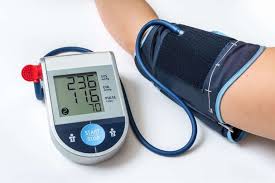
High Blood Pressure Treatment in Nagpur – Neurolinnk Brain, Spine & Medical Superspeciality Hospital
High blood pressure, also known as Hypertension, is one of the most common health problems affecting adults worldwide. It often develops silently without noticeable symptoms, yet it can significantly increase the risk of serious conditions such as heart disease, stroke, and kidney failure. Therefore, timely diagnosis and proper treatment are extremely important. If you are looking for reliable High Blood Pressure Treatment in Nagpur, expert care is available at Neurolinnk Brain, Spine & Medical Superspeciality Hospital.
High blood pressure occurs when the force of blood against the walls of the arteries remains consistently high. Over time, this increased pressure damages blood vessels and vital organs. Consequently, untreated hypertension can lead to complications such as heart attack, stroke, and vision problems. However, with early diagnosis, lifestyle changes, and proper medical treatment, blood pressure can be controlled effectively.
Understanding High Blood Pressure
High blood pressure is a chronic medical condition that occurs when blood flows through the arteries with excessive force. Normally, blood pressure is measured using two numbers: systolic pressure and diastolic pressure. Systolic pressure indicates the force of blood when the heart beats, while diastolic pressure represents the pressure when the heart rests between beats.
A normal blood pressure reading is generally around 120/80 mmHg. However, when readings consistently exceed this level, it may indicate hypertension. Physicians classify hypertension into different stages based on blood pressure levels. Early-stage hypertension may not produce symptoms, which is why many people remain unaware of their condition.
Over time, uncontrolled high blood pressure can damage the heart, blood vessels, brain, kidneys, and eyes. Consequently, it becomes essential to monitor blood pressure regularly and seek medical care when necessary. At Neurolinnk Brain, Spine & Medical Superspeciality Hospital, physicians provide comprehensive evaluation and effective treatment for patients with hypertension.
Causes and Risk Factors of Hypertension
Several factors contribute to the development of high blood pressure. In many cases, hypertension develops gradually over time due to lifestyle habits and genetic factors. Understanding these causes helps individuals take preventive steps and maintain better health.
Unhealthy lifestyle habits are among the most common causes of hypertension. Diets high in salt, processed foods, and unhealthy fats increase the risk of developing high blood pressure. Lack of physical activity also contributes to weight gain and cardiovascular stress.
Obesity is another major risk factor for hypertension. Excess body weight increases the workload on the heart, causing blood pressure to rise. In addition, chronic stress and poor sleep patterns can disrupt the body’s hormonal balance, leading to elevated blood pressure levels.
Certain medical conditions also increase the risk of hypertension. These include diabetes, kidney disease, thyroid disorders, and hormonal imbalances. Family history may also play a role, as individuals with a genetic predisposition are more likely to develop high blood pressure.
Symptoms of High Blood Pressure
One of the most concerning aspects of hypertension is that it often develops without obvious symptoms. Many individuals live with high blood pressure for years without realizing it. As a result, hypertension is commonly referred to as a “silent killer.”
However, some people may experience symptoms when blood pressure levels become significantly elevated. These symptoms may include headaches, dizziness, blurred vision, chest discomfort, fatigue, or shortness of breath. Nosebleeds and irregular heartbeats may also occur in certain cases.
Although these symptoms may appear occasionally, they are not reliable indicators of hypertension. Therefore, regular blood pressure monitoring remains the most effective way to detect the condition early. Routine checkups allow doctors to identify abnormal blood pressure levels and initiate appropriate treatment before complications arise.
Diagnosis of Hypertension
Accurate diagnosis is essential for effective treatment of high blood pressure. Physicians typically diagnose hypertension by measuring blood pressure using a sphygmomanometer. Multiple readings may be taken over several visits to confirm the diagnosis.
In addition to blood pressure measurement, doctors may recommend several diagnostic tests to evaluate overall health. Blood tests help assess cholesterol levels, blood sugar levels, kidney function, and electrolyte balance. These tests provide valuable insights into the patient’s cardiovascular health.
Doctors may also perform an electrocardiogram to evaluate heart function and detect abnormalities in heart rhythm. In some cases, imaging tests such as ultrasound or echocardiography may be recommended to examine heart structure and blood flow.
At Neurolinnk Brain, Spine & Medical Superspeciality Hospital, advanced diagnostic facilities allow physicians to evaluate hypertension accurately and detect associated complications early.
Treatment Options for High Blood Pressure
Effective management of hypertension involves a combination of lifestyle changes and medical treatment. Physicians develop personalized treatment plans based on the severity of the condition and the patient’s overall health.
Lifestyle modifications form the foundation of hypertension treatment. Doctors recommend reducing salt intake, maintaining a balanced diet, and increasing physical activity. Weight management also plays a crucial role in controlling blood pressure levels.
Regular exercise helps strengthen the heart and improve blood circulation. Activities such as walking, swimming, cycling, and yoga can significantly reduce blood pressure when practiced consistently.
In addition to lifestyle changes, medications may be prescribed to control hypertension. These medications work by relaxing blood vessels, reducing fluid retention, or slowing the heart rate. Physicians carefully monitor patient progress and adjust medications as needed.
Importance of Lifestyle Changes
Lifestyle choices strongly influence blood pressure levels. Therefore, physicians emphasize healthy habits as a key component of hypertension management. Patients who adopt healthier lifestyles often experience significant improvement in blood pressure control.
A balanced diet rich in fruits, vegetables, whole grains, and lean proteins supports cardiovascular health. Reducing sodium intake helps prevent fluid retention and lowers blood pressure. Doctors also recommend limiting processed foods and sugary beverages.
Regular physical activity helps maintain a healthy weight and improves heart function. Even moderate exercise performed regularly can produce positive health benefits.
Stress management also plays a vital role in maintaining stable blood pressure. Relaxation techniques such as meditation, deep breathing, and yoga help reduce stress hormones that contribute to hypertension.
Complications of Untreated Hypertension
If left untreated, high blood pressure can lead to serious health complications. Continuous pressure on blood vessels damages arteries and reduces blood flow to vital organs.
One of the most serious complications is heart disease. Hypertension forces the heart to work harder, which may eventually lead to heart failure. In addition, high blood pressure significantly increases the risk of stroke.
Kidney damage is another potential complication of uncontrolled hypertension. The kidneys rely on healthy blood vessels to filter waste from the blood. When blood pressure remains elevated, these vessels may become damaged, impairing kidney function.
Vision problems may also occur when hypertension affects the delicate blood vessels in the eyes. Therefore, early diagnosis and treatment are essential for preventing these complications.
Preventive Healthcare and Regular Monitoring
Preventive healthcare plays a crucial role in managing hypertension. Regular medical checkups allow physicians to monitor blood pressure levels and adjust treatment plans when necessary.
Patients with hypertension should check their blood pressure regularly and follow their doctor’s recommendations. Maintaining a healthy lifestyle and taking prescribed medications consistently help prevent complications.
At Neurolinnk Brain, Spine & Medical Superspeciality Hospital, physicians provide continuous support for patients managing high blood pressure. Through regular monitoring and personalized care, patients can achieve better health outcomes.
Why Choose Neurolinnk Brain, Spine & Medical Superspeciality Hospital
Patients seeking High Blood Pressure Treatment in Nagpur choose Neurolinnk Brain, Spine & Medical Superspeciality Hospital for its comprehensive healthcare services and experienced medical professionals.
The hospital provides advanced diagnostic facilities, accurate medical evaluation, and personalized treatment plans for hypertension management. Physicians focus on both treatment and prevention, ensuring that patients receive long-term healthcare support.
Furthermore, the hospital emphasizes patient education, helping individuals understand their condition and make informed lifestyle choices. This holistic approach helps patients maintain healthier lives and prevent future complications.
Conclusion
High blood pressure is a serious medical condition that requires timely diagnosis and proper management. Although hypertension often develops without symptoms, it can lead to severe complications if left untreated. Therefore, regular health checkups and early medical consultation are essential.
If you are searching for reliable High Blood Pressure Treatment in Nagpur, expert care is available at Neurolinnk Brain, Spine & Medical Superspeciality Hospital. With experienced physicians, modern diagnostic facilities, and personalized treatment plans, the hospital provides comprehensive care for patients with hypertension.
By adopting healthy lifestyle habits and following medical guidance, individuals can effectively control blood pressure and reduce the risk of serious health problems.
Book an Appointment
Scheduling a consultation at Neurolinnk Brain, Spine & Medical Superspeciality Hospital is simple and convenient. Patients experiencing persistent headaches, back pain, neck pain, numbness, seizures, or any neurological symptoms are encouraged to seek early evaluation. Timely consultation helps in accurate diagnosis and faster recovery.
You can book an appointment by calling the hospital directly during working hours or by visiting the clinic reception in person. Many patients also prefer scheduling through the official website or online appointment portal. When booking, it is helpful to mention your primary symptoms, previous medical history, and any reports such as MRI, CT scan, or blood test results.
Frequently Asked Questions (FAQs)
What is considered high blood pressure?
Blood pressure readings consistently above 130/80 mmHg are generally considered high.
Can high blood pressure be cured?
Hypertension cannot always be cured, but it can be effectively controlled with lifestyle changes and medication.
What foods should be avoided in hypertension?
Foods high in salt, processed foods, fried foods, and sugary beverages should be limited.
How often should blood pressure be checked?
Adults should check their blood pressure regularly, especially if they have risk factors for hypertension.
Where can I get treatment for high blood pressure in Nagpur?
You can consult specialists at Neurolinnk Brain, Spine & Medical Superspeciality Hospital for expert diagnosis and treatment.
Take the first step toward recovery—book your appointment with our brain and spine specialists today.