
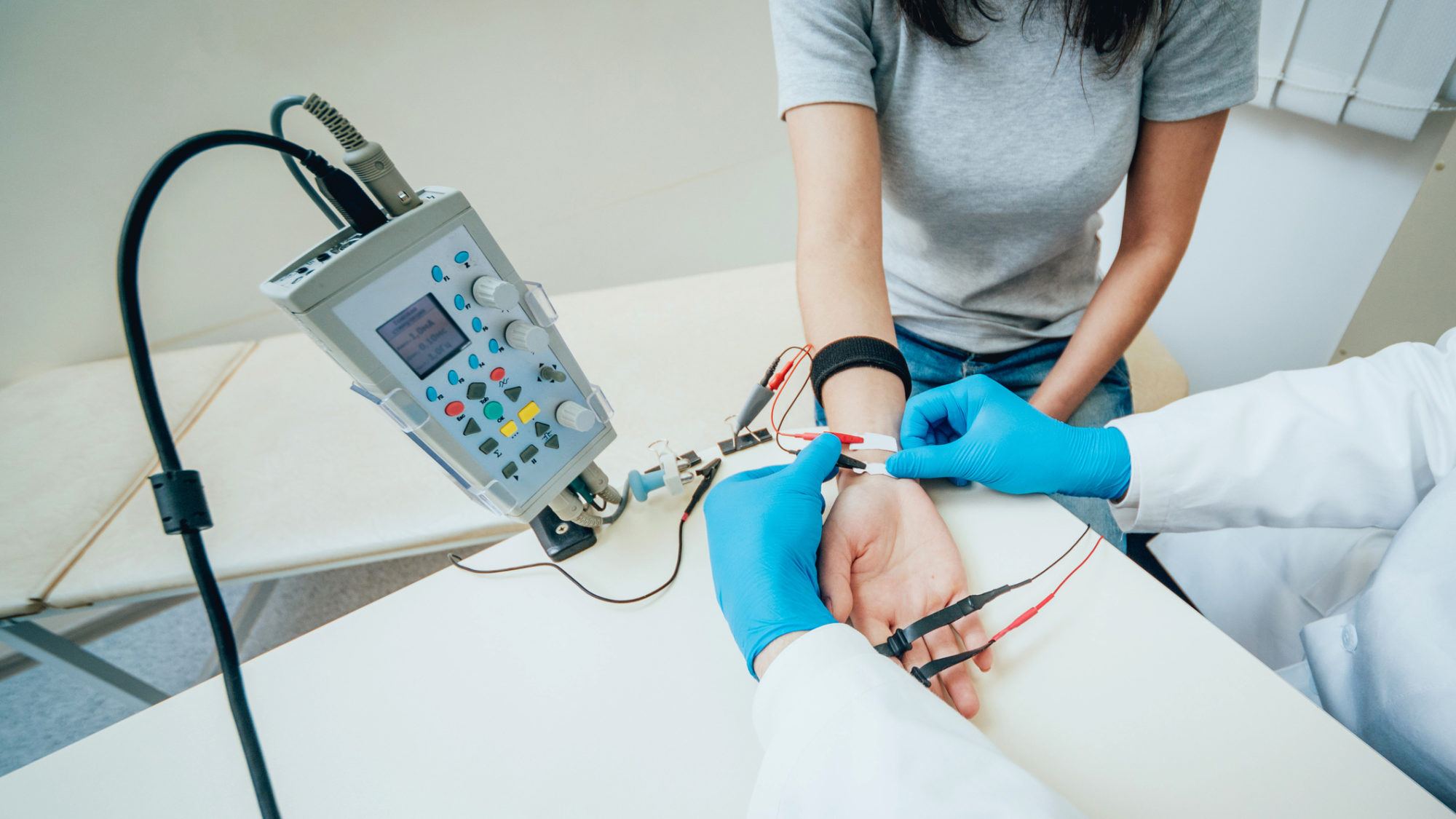
At Neurolinnk Brain, Spine & Medical Superspeciality Hospital, we offer advanced Electromyography (EMG) testing for precise diagnosis of nerve and muscle disorders. EMG is a specialized neurological diagnostic procedure that evaluates the electrical activity of muscles and helps determine whether symptoms are caused by muscle disease or nerve dysfunction.
When patients experience muscle weakness, tingling, numbness, cramps, twitching, or chronic pain, Electromyography plays a vital role in identifying the root cause and guiding effective treatment. Early and accurate EMG diagnosis ensures better recovery, improved treatment planning, and enhanced neurological health.
🔬 What is Electromyography (EMG)?
Electromyography (EMG) is a diagnostic test that measures the electrical signals produced by muscles at rest and during contraction. It helps determine whether muscle weakness is due to:
Nerve damage
Muscle disease
Neuromuscular junction disorders
Spinal nerve compression
During the test, a thin needle electrode is inserted into specific muscles to record electrical activity. The signals are displayed on a monitor and analyzed by an experienced neurologist.
EMG is often performed alongside Nerve Conduction Study (NCS) to provide a complete evaluation of neuromuscular function.
🏥 Why is Electromyography Important?
EMG is essential because it:
Identifies the location of nerve damage
Differentiates between muscle disease and nerve disorders
Detects early-stage neuromuscular conditions
Evaluates severity of nerve compression
Helps plan surgery or rehabilitation
Monitors recovery after nerve injury
Without EMG, many neuromuscular conditions may go undiagnosed or be misinterpreted.
⚠️ Symptoms That May Require an EMG Test
You may need an Electromyography test if you experience:
Persistent muscle weakness
Tingling or numbness in limbs
Burning or shooting nerve pain
Muscle cramps or spasms
Muscle twitching (fasciculations)
Difficulty gripping objects
Radiating pain from neck or lower back
Suspected nerve injury after trauma
If these symptoms persist, EMG testing helps determine the exact cause.
🩺 Conditions Diagnosed with EMG
Electromyography at Neurolinnk helps diagnose a wide range of neuromuscular disorders:
1️⃣ Peripheral Neuropathy
Damage to peripheral nerves caused by:
Diabetes
Vitamin deficiencies
Autoimmune diseases
Toxins or medications
EMG identifies the pattern and severity of nerve involvement.
2️⃣ Radiculopathy (Pinched Nerve)
Compression of spinal nerves due to:
Herniated disc
Spinal stenosis
Degenerative spine disease
EMG helps confirm nerve root involvement and guides treatment decisions.
3️⃣ Carpal Tunnel Syndrome
Median nerve compression at the wrist causing:
Hand numbness
Weak grip
Tingling in fingers
EMG confirms nerve compression severity.
4️⃣ Myopathies (Muscle Disorders)
Inflammatory or inherited muscle diseases such as:
Muscular dystrophy
Inflammatory myopathy
Metabolic muscle disorders
EMG differentiates muscle disease from nerve disorders.
5️⃣ Motor Neuron Diseases
Conditions affecting nerve cells controlling muscles. EMG helps detect abnormal motor unit activity.
6️⃣ Myasthenia Gravis
A neuromuscular junction disorder causing fluctuating muscle weakness. EMG helps assess neuromuscular transmission.
7️⃣ Traumatic Nerve Injuries
After accidents or surgery, EMG evaluates:
Extent of nerve damage
Recovery progress
Need for surgical intervention
⚙️ How is an EMG Test Performed?
At Neurolinnk, EMG testing is performed with precision and patient comfort in mind.
Step-by-Step Procedure:
The skin over the test area is cleaned.
A thin sterile needle electrode is inserted into the muscle.
Electrical activity is recorded at rest.
You will be asked to gently contract the muscle.
The neurologist analyzes electrical patterns.
The test usually takes 30–60 minutes, depending on the number of muscles examined.
Some mild discomfort may occur during needle insertion, but the procedure is safe and well tolerated.
⭐ Benefits of Electromyography at Neurolinnk
Accurate neuromuscular diagnosis
Advanced EMG & NCS equipment
Early disease detection
Personalized treatment planning
Safe and minimally invasive procedure
Detailed, expert interpretation
Comprehensive neurological care under one roof
Neurolinnk ensures precise reporting and clear explanation of results.
🏥 Why Choose Neurolinnk Brain, Spine & Medical Superspeciality Hospital?
Experienced neurologists specializing in EMG
Advanced diagnostic technology
Comprehensive brain, spine, and nerve evaluation
Patient-friendly testing environment
Quick reporting and consultation
Multidisciplinary treatment approach
Our goal is accurate diagnosis, effective treatment, and long-term neurological wellness.
👩⚕️ EMG vs Nerve Conduction Study (NCS)
| EMG | NCS |
|---|---|
| Measures muscle electrical activity | Measures nerve signal speed |
| Uses needle electrode | Uses surface electrodes |
| Diagnoses muscle disorders | Diagnoses nerve conduction problems |
🧾 Preparation for EMG Test
Avoid applying lotions or oils to the skin
Inform your doctor about medications
Mention if you have a pacemaker
Inform about bleeding disorders
No fasting is required before EMG testing.
Symptoms That May Require an EMG Test
Your neurologist may recommend an EMG if you experience:
Persistent muscle weakness
Numbness or tingling in hands or feet
Muscle cramps or spasms
Radiating pain from neck or lower back
Loss of muscle coordination
Unexplained muscle atrophy
If these symptoms persist, early neurological evaluation is strongly recommended to prevent complications.
Advanced Diagnosis at Neurolinnk Brain,Spine & Medical Superspeciality Hospital
At Neurolinnk Brain, Spine & Medical Superspeciality Hospital, advanced diagnosis forms the foundation of effective neurological and spine care. Accurate and early detection of complex conditions allows our specialists to design personalized treatment strategies that improve recovery outcomes and long-term health.