Disc Replacement Surgery in Nagpur – Advanced Spine Care at Neurolinnk Brain, Spine & Medical Superspeciality Hospital
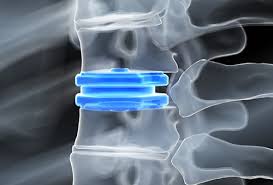
Disc replacement surgery, also known as artificial disc replacement, is an advanced spine procedure designed to treat chronic back or neck pain caused by damaged intervertebral discs. The spine is made up of vertebrae separated by soft discs that act as shock absorbers and allow smooth movement. Over time, due to aging, injury, or degeneration, these discs can wear out, leading to pain, stiffness, and nerve compression.
When conservative treatments such as medication, physiotherapy, or injections fail to provide relief, disc replacement surgery may be recommended. Unlike traditional spinal fusion, which permanently joins two vertebrae together, disc replacement preserves motion by inserting an artificial disc. This modern approach maintains spinal flexibility while relieving pain and nerve pressure.
Conditions Treated with Disc Replacement Surgery
Disc replacement surgery is commonly recommended for degenerative disc disease, herniated discs, and chronic neck or lower back pain that does not respond to non-surgical treatment. Degenerative disc disease occurs when spinal discs lose hydration and elasticity, leading to persistent discomfort and reduced mobility.
Patients experiencing nerve compression due to disc damage may report radiating pain in the arms or legs, numbness, tingling, or muscle weakness. In cervical spine conditions, pain may extend to the shoulders and upper limbs, while lumbar disc problems can cause sciatica-like symptoms.
Careful evaluation is essential to determine whether disc replacement is appropriate. Not all patients are candidates, and factors such as overall spine health, bone strength, and the extent of degeneration are considered before recommending surgery.
How Disc Replacement Differs from Spinal Fusion
Traditional spinal fusion eliminates movement between two vertebrae to stabilize the spine. While effective in relieving pain, fusion reduces flexibility and may increase stress on adjacent segments over time.
Disc replacement surgery, in contrast, aims to maintain natural spinal motion. The damaged disc is removed and replaced with a prosthetic disc designed to mimic the function of a healthy one. This motion-preserving approach may reduce the risk of adjacent segment degeneration and allow patients to return to normal activities more quickly.
By preserving mobility, disc replacement provides both pain relief and functional improvement, making it a preferred option for eligible patients seeking long-term spine health.
Pre-Surgical Evaluation and Diagnosis
Accurate diagnosis is the foundation of successful disc replacement surgery. A comprehensive assessment includes detailed medical history, physical examination, and advanced imaging such as MRI and CT scans. These tests help identify the location and severity of disc damage and evaluate surrounding nerve structures.
Specialists assess spinal alignment, disc integrity, and overall stability before recommending surgery. Bone density evaluation may also be performed to ensure that the artificial disc can be safely implanted.
At Neurolinnk Brain, Spine & Medical Superspeciality Hospital, individualized treatment planning ensures that only suitable candidates undergo disc replacement, maximizing safety and long-term success.
The Disc Replacement Procedure
Surgeons perform disc replacement surgery under general anesthesia to ensure patient comfort and safety. First, the surgical team carefully positions the patient to access the affected spinal segment. Next, the surgeon removes the damaged disc while protecting nearby nerves and tissues. After that, the surgeon inserts an artificial disc that restores natural height and movement between the vertebrae.
Moreover, advanced imaging technology guides the placement of the implant to improve precision. As a result, patients benefit from better alignment and long-term stability. Unlike traditional fusion surgery, this procedure preserves spinal mobility. Therefore, many patients experience improved flexibility after recovery
Benefits of Disc Replacement Surgery
Disc replacement surgery offers several important advantages. Most importantly, it preserves natural spine movement. In addition, it reduces stress on adjacent spinal segments. Because of this, patients may lower their risk of future degeneration.
Furthermore, patients often recover faster compared to fusion surgery. As a result, they can return to daily activities more quickly. Not only does the procedure relieve pain, but it also improves posture and overall spinal function. Therefore, many suitable candidates prefer this motion-preserving approach.
Recovery and Rehabilitation
Recovery begins shortly after surgery. Initially, doctors encourage gentle movement to improve circulation. Then, physiotherapists design a personalized rehabilitation program. Throughout recovery, patients perform strengthening and flexibility exercises to restore spinal stability.
Meanwhile, doctors monitor healing progress during follow-up visits. If needed, they adjust the rehabilitation plan to ensure optimal results. Consequently, consistent therapy helps patients regain confidence and mobility. Ultimately, proper rehabilitation determines long-term surgical success.
Potential Risks and Considerations
As with any surgical procedure, disc replacement surgery carries certain risks. These may include infection, bleeding, nerve injury, or implant-related complications. However, careful patient selection and experienced surgical technique minimize these risks.
Preoperative planning and adherence to safety protocols contribute to successful outcomes. Patients are informed about potential complications and guided on recognizing warning signs after surgery.
Choosing a specialized spine center ensures that safety standards and advanced technology are integrated into every stage of treatment.
Long-Term Outcomes and Success Rates
Disc replacement surgery has shown promising long-term outcomes for appropriately selected patients. Many individuals experience sustained pain relief and improved functional capacity. Motion preservation contributes to better spinal biomechanics and overall comfort.
Regular follow-up care ensures that the artificial disc continues to function effectively. With proper rehabilitation and lifestyle modifications, patients can maintain spine health and prevent future complications.
Long-term success depends on early intervention, accurate diagnosis, and commitment to postoperative care.
Why Choose Neurolinnk for Disc Replacement Surgery in Nagpur?
Selecting a specialized hospital is essential for optimal surgical outcomes. Neurolinnk Brain, Spine & Medical Superspeciality Hospital provides advanced spine care supported by modern diagnostic tools and experienced spine surgeons.
The hospital emphasizes personalized treatment planning, minimally invasive techniques, and comprehensive rehabilitation programs. From initial consultation to postoperative follow-up, patients receive coordinated care under one roof.
With a focus on patient safety, precision, and long-term spine health, Neurolinnk is a trusted destination for disc replacement surgery in Nagpur.
Conclusion
Disc replacement surgery represents a modern and motion-preserving solution for chronic spine pain caused by disc degeneration. By replacing damaged discs with artificial implants, this procedure relieves pain while maintaining flexibility and natural movement.
Comprehensive evaluation, skilled surgical execution, and structured rehabilitation are key to successful outcomes. At Neurolinnk Brain, Spine & Medical Superspeciality Hospital, patients receive expert care tailored to their individual spine condition.
Book an Appointment
Scheduling a consultation at Neurolinnk Brain, Spine & Medical Superspeciality Hospital is simple and convenient. Patients experiencing persistent headaches, back pain, neck pain, numbness, seizures, or any neurological symptoms are encouraged to seek early evaluation. Timely consultation helps in accurate diagnosis and faster recovery.
You can book an appointment by calling the hospital directly during working hours or by visiting the clinic reception in person. Many patients also prefer scheduling through the official website or online appointment portal. When booking, it is helpful to mention your primary symptoms, previous medical history, and any reports such as MRI, CT scan, or blood test results.
Frequently Asked Questions (FAQs)
1. What is disc replacement surgery?
Disc replacement surgery is a procedure where a damaged spinal disc is removed and replaced with an artificial disc to relieve pain and maintain spine movement.
2. Who is a candidate for disc replacement?
Patients with degenerative disc disease or herniated discs who do not respond to non-surgical treatments may be suitable candidates.
3. Is disc replacement better than spinal fusion?
Disc replacement preserves natural spine motion, while fusion restricts movement. The best option depends on the patient’s condition and spine health.
4. How long does recovery take?
Most patients resume light activities within a few weeks, but full recovery and rehabilitation may take a few months.
5. Is disc replacement surgery safe?
When performed by experienced spine surgeons, it is considered safe and effective with good long-term outcomes.
6. Where can I get disc replacement surgery in Nagpur?
You can consult spine specialists at Neurolinnk Brain, Spine & Medical Superspeciality Hospital for advanced treatment options.
Take the first step toward recovery—book your appointment with our brain and spine specialists today.