Stroke and paralysis
Stroke damages brain cells; paralysis causes sudden loss of muscle movement.
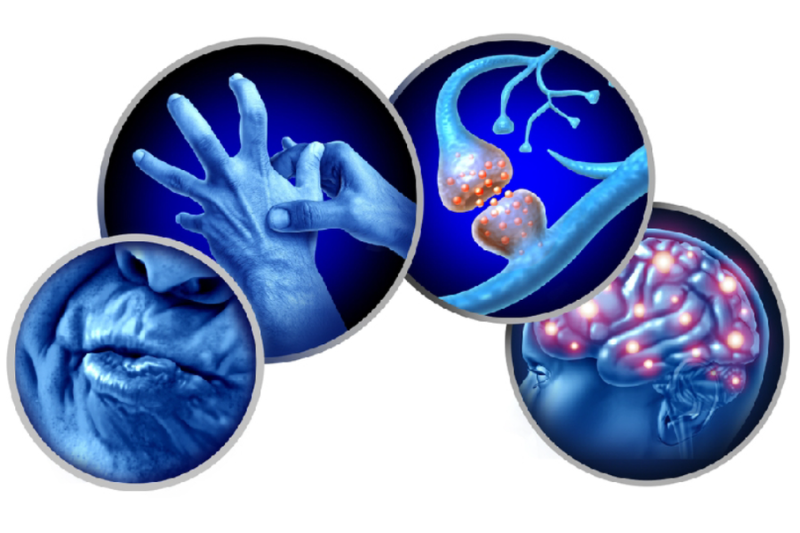
Movement Disorders
Neurological disorders causing abnormal, involuntary, or impaired body movements.
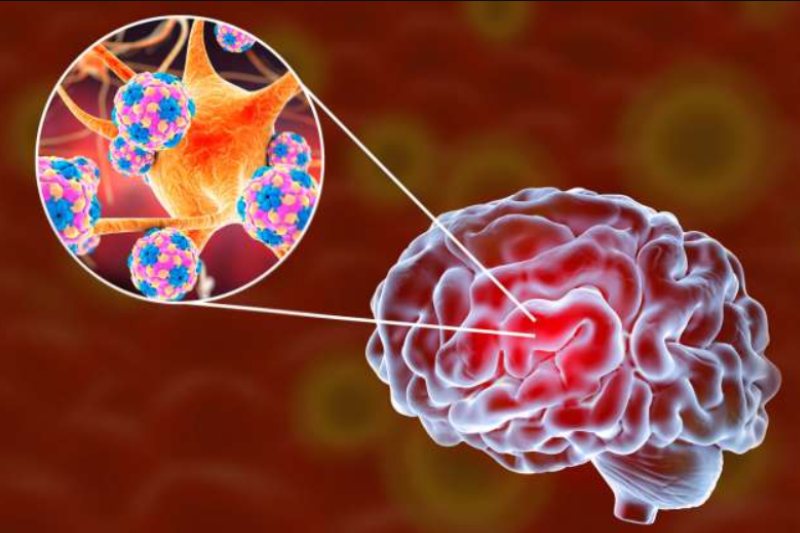
Neuroinfection
Infections affecting the brain, spinal cord, or nerves causing neurological complications, severe inflammation.
Epilepsy
Chronic neurological disorder causing recurrent, unprovoked seizures and altered consciousness.
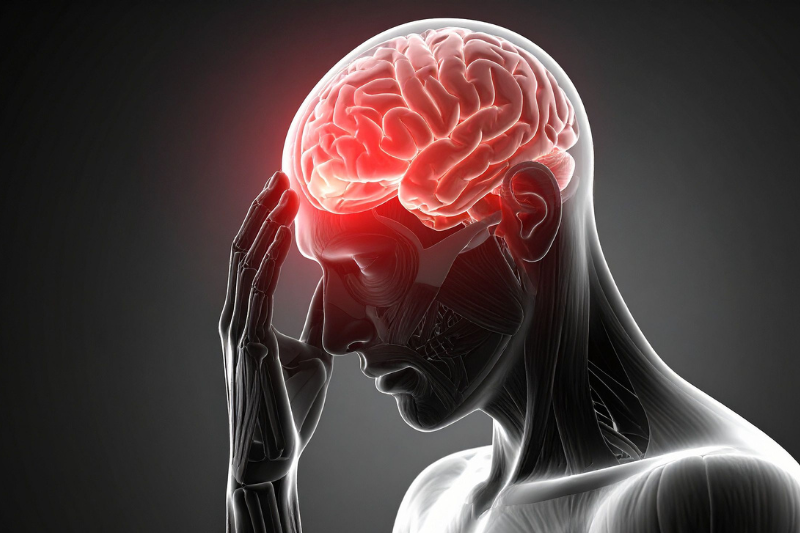
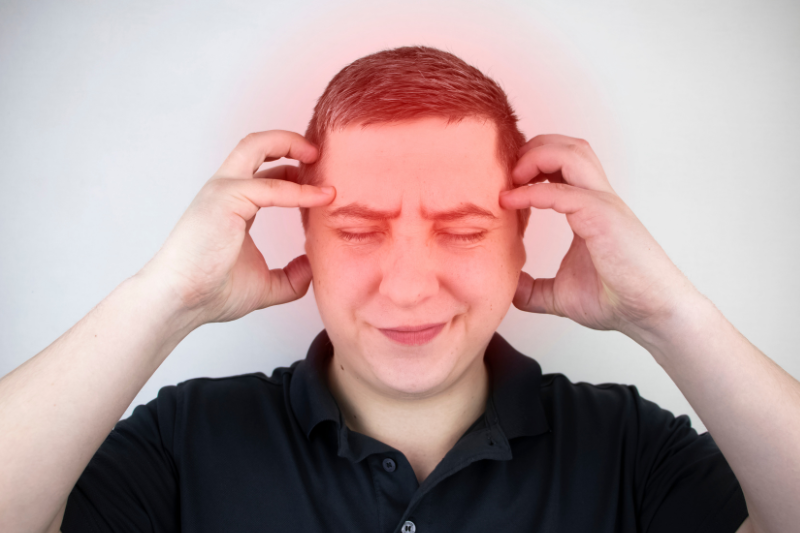
Headache
Pain or discomfort in head, often caused by stress, illness, dehydration, tension.
Vertigo
A spinning sensation causing dizziness, imbalance, nausea, disorientation of surroundings .
Neuropathy/gbs
Peripheral nerve damage causing weakness, numbness, pain, sometimes paralysis.
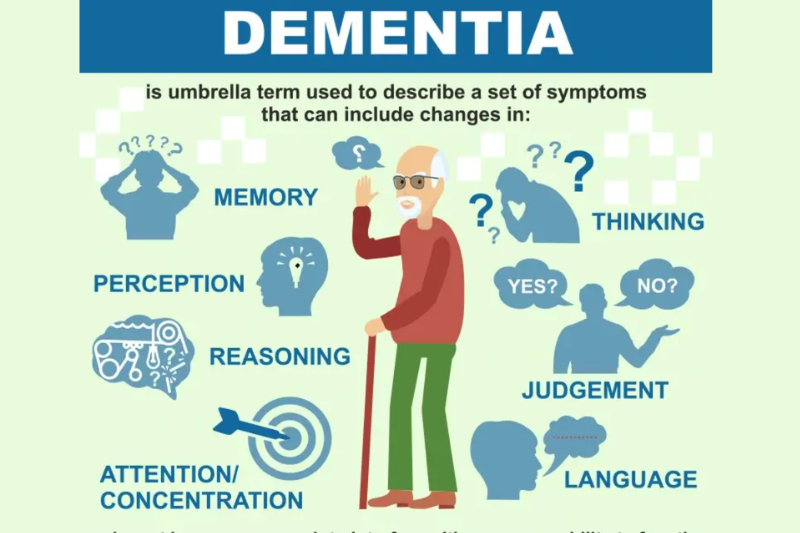
Dementia Disease
Progressive brain disorder causing memory loss, cognitive decline, and behavioral changes.
Sleep Disorders
Conditions disrupting normal sleep patterns, affecting health and daily functioning.
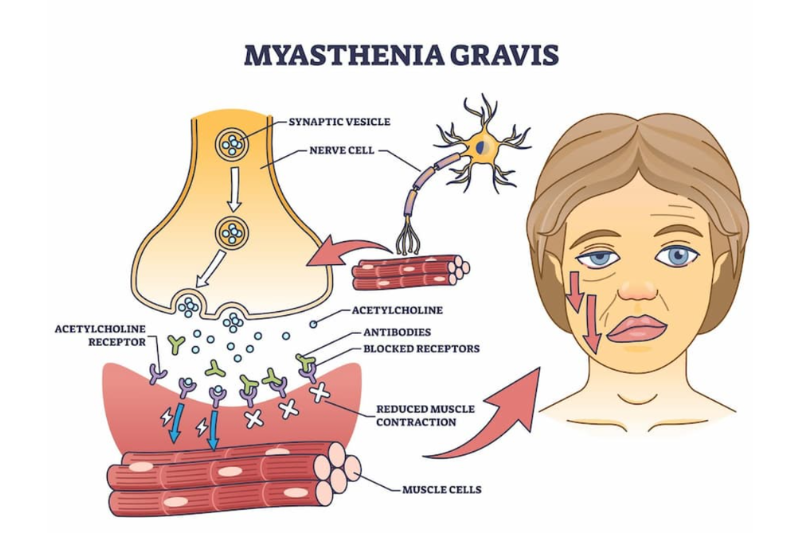
Dementia Disease
Autoimmune disorder causing muscle weakness and fatigue due to nerve communication disruption.
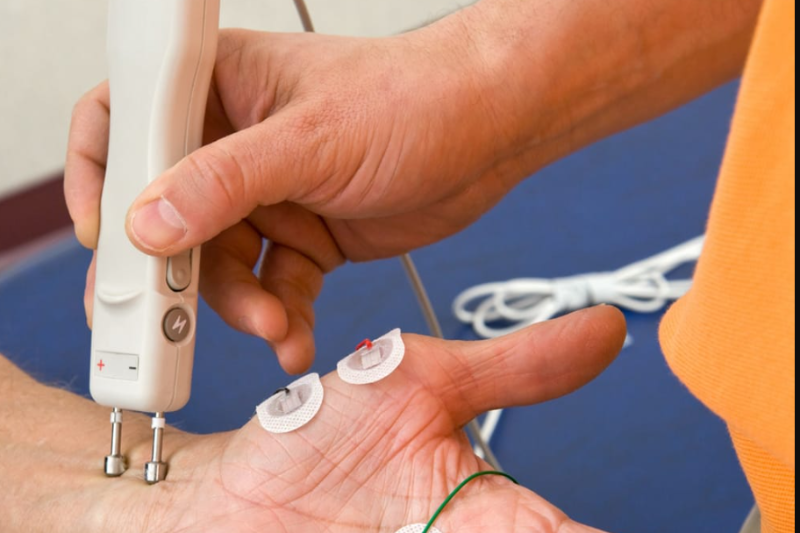
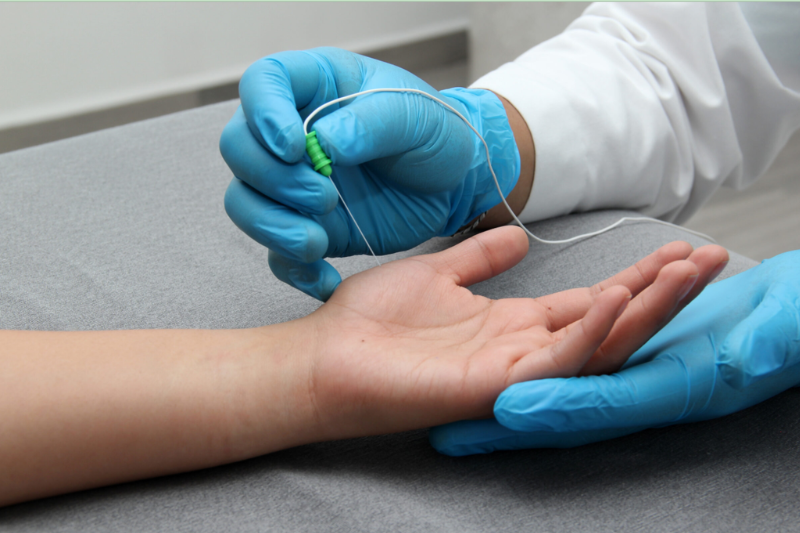
Nerve Conduction Study
Test measuring electrical signals to evaluate nerve function and damage.
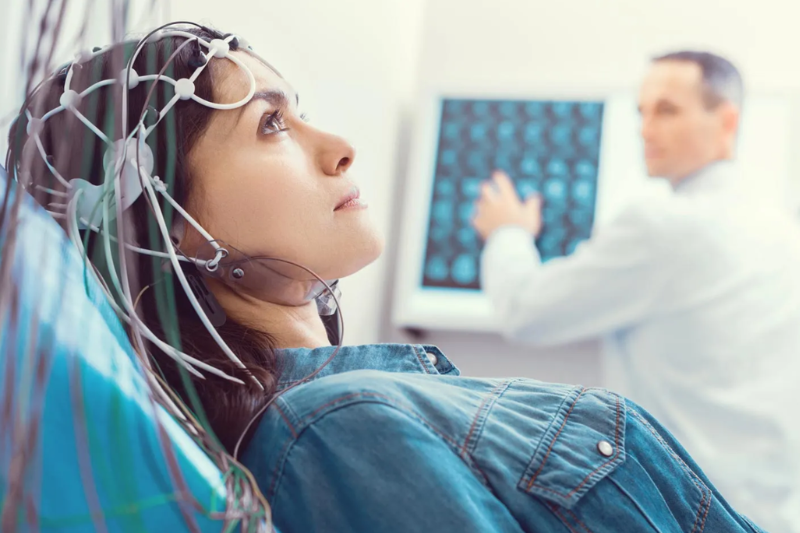
Electroencephalography EEG
Test recording brain’s electrical activity waves.
Electromyography EMG
Test measuring muscle and nerve electrical activity.