
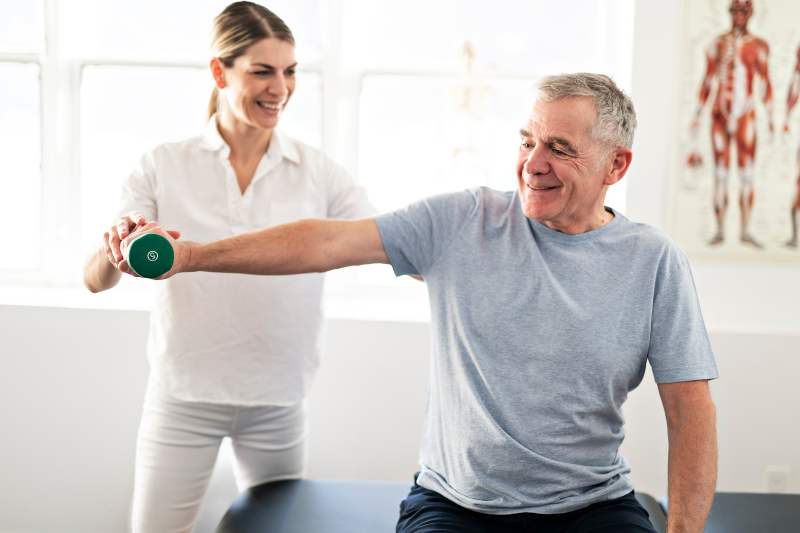
What Is Post-operative Cardiac Rehabilitation?
Moreover, this program helps patients recover after procedures such as:
Coronary artery bypass grafting (CABG)
Heart valve repair or replacement
Angioplasty and stent placement
Congenital heart surgery
Heart failure-related surgical interventions
Importantly, rehabilitation strengthens the heart muscle while improving circulation and lung capacity. Consequently, patients experience better endurance and fewer complications.
Why Post-operative Cardiac Rehabilitation Matters
Although surgery corrects structural heart problems, recovery requires disciplined follow-up care. Therefore, post-operative cardiac rehabilitation becomes essential for long-term cardiac health.
Key Benefits
Improves cardiovascular endurance
Reduces the risk of repeat cardiac events
Enhances blood circulation
Controls blood pressure and cholesterol
Promotes faster wound healing
Improves emotional well-being
Encourages sustainable lifestyle changes
In fact, research consistently shows that patients who participate in cardiac rehabilitation programs recover faster and live longer. Furthermore, they report improved quality of life compared to patients who skip structured rehabilitation.
Our Approach at Neurolinnk Brain, Spine & Medical Superspeciality Hospital
Our Rehabilitation Philosophy
We prioritize patient safety.
We monitor heart function continuously.
We encourage gradual and supervised physical activity.
We provide education for long-term heart health.
We support emotional recovery alongside physical healing.
Moreover, our multidisciplinary team includes cardiologists, physiotherapists, cardiac nurses, dietitians, and psychologists. Together, they ensure holistic recovery.
Phases of Post-operative Cardiac Rehabilitation
Phase 1: In-Hospital Rehabilitation
This phase begins immediately after surgery. Initially, our team monitors vital signs closely and encourages light breathing exercises. Soon after, we assist patients in sitting up and standing.
Key activities include:
Deep breathing and lung expansion exercises
Gentle limb movements
Bed-to-chair transfers
Short supervised walks
As a result, patients reduce the risk of pneumonia, blood clots, and muscle weakness. Meanwhile, our team educates patients about incision care and medication management.
Phase 2: Early Outpatient Rehabilitation
After discharge, patients begin structured outpatient sessions. During this stage, we increase physical activity gradually while monitoring heart rate, blood pressure, and oxygen levels.
Activities may include:
Treadmill walking
Stationary cycling
Light resistance training
Stretching exercises
Supervised endurance workouts
Importantly, we adjust intensity based on individual tolerance. Consequently, patients build stamina without overexertion.
Phase 3: Long-Term Maintenance
Ultimately, patients transition to independent exercise routines with periodic monitoring. At this stage, we emphasize lifestyle modification and long-term cardiovascular health.
Patients continue:
Regular aerobic exercise
Strength training
Weight management
Stress reduction techniques
Thus, they maintain heart health permanently.
Personalized Exercise Programs
Exercise forms the core of post-operative cardiac rehabilitation. However, we never apply a one-size-fits-all approach. Instead, our physiotherapists assess age, surgical type, weight, medical history, and fitness level.
Types of Exercises
Aerobic training
Strength conditioning
Flexibility exercises
Balance training
Breathing techniques
Furthermore, we monitor ECG, pulse rate, and blood pressure during sessions. Therefore, patients exercise safely and confidently.
Nutritional Counseling for Heart Recovery
Recovery demands proper nutrition. Therefore, our dietitians create personalized meal plans that support heart health.
Dietary Guidelines
Reduce saturated fats
Limit sodium intake
Increase fiber-rich foods
Add fresh fruits and vegetables
Encourage lean protein sources
Moreover, we educate patients about portion control and mindful eating. Consequently, patients manage cholesterol and maintain a healthy weight.
Psychological and Emotional Support
Heart surgery often triggers anxiety, depression, or fear. Therefore, we integrate mental health counseling into our rehabilitation program.
Emotional Recovery Includes:
Stress management sessions
Relaxation techniques
Meditation guidance
Family counseling
As a result, patients regain emotional stability. Furthermore, they develop confidence in their physical recovery.
Pain Management and Medication Supervision
Effective pain control accelerates healing. Therefore, our cardiac specialists monitor medications carefully.
We ensure:
Proper dosage management
Timely adjustments
Monitoring for side effects
Blood thinning regulation
Consequently, patients avoid complications and remain comfortable during recovery.
Risk Factor Modification
Post-operative cardiac rehabilitation not only focuses on recovery but also prevents future cardiac events.
We help patients:
Quit smoking
Control diabetes
Manage hypertension
Reduce obesity
Improve lipid profiles
Therefore, patients lower the risk of recurrent heart disease significantly.
Advanced Monitoring Technology
Neurolinnk Brain, Spine & Medical Superspeciality Hospital uses advanced cardiac monitoring systems. These systems track heart rate variability, oxygen levels, and ECG patterns in real time.
Consequently, we detect abnormalities immediately. Moreover, this technology enhances safety during exercise sessions.
Patient Education and Lifestyle Training
Education empowers recovery. Therefore, we conduct interactive sessions covering:
Heart anatomy and function
Importance of medication adherence
Warning signs of complications
Safe physical activity guidelines
Furthermore, we encourage patients to involve family members in learning sessions. As a result, patients receive consistent support at home.
Who Needs Post-operative Cardiac Rehabilitation?
We recommend post-operative cardiac rehabilitation for:
Patients after bypass surgery
Valve surgery patients
Individuals recovering from heart attacks
Heart failure patients
Patients after angioplasty
Indeed, nearly every cardiac surgery patient benefits from structured rehabilitation.
Timeline of Recovery
Although recovery varies individually, most patients follow this general timeline:
Week 1–2: Light activity and breathing exercises
Week 3–6: Structured outpatient rehabilitation
Month 2–3: Increased endurance training
Month 4 onward: Independent maintenance
Therefore, consistency determines long-term success.