
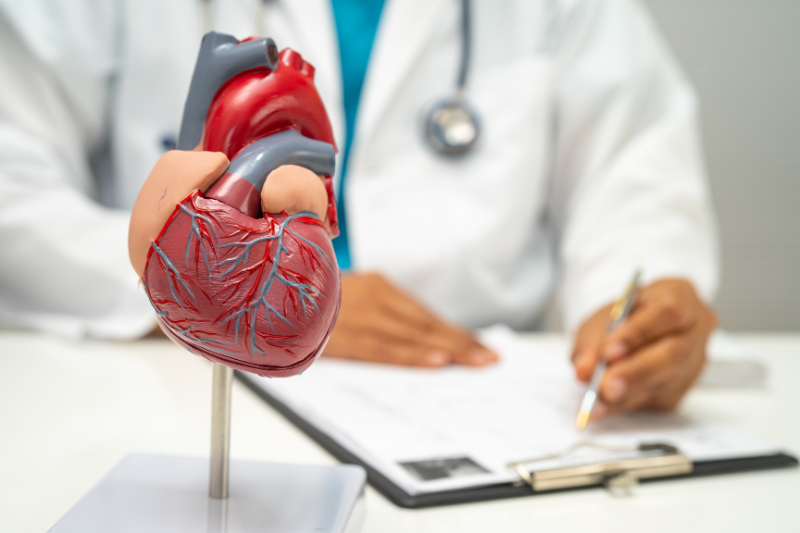
Understanding Heart Failure
Firstly, heart failure does not mean that the heart stops working. Instead, it means that the heart muscle cannot pump blood efficiently to meet the body’s needs. As a result, organs and tissues receive less oxygen and nutrients. Consequently, patients experience fatigue, breathlessness, swelling, and reduced exercise tolerance.
Furthermore, several medical conditions contribute to heart failure, including:
Coronary artery disease
Long-standing hypertension
Cardiomyopathy
Heart valve disorders
Previous heart attack
Diabetes and obesity
Because these risk factors progressively weaken the heart muscle, early detection plays a crucial role. Therefore, our cardiology experts at Neurolinnk conduct comprehensive cardiac evaluations to identify the root cause and design targeted treatment plans.
Understanding Arrhythmia
Secondly, arrhythmia refers to an abnormal heart rhythm. Normally, the heart beats in a regular and coordinated pattern; however, electrical disturbances disrupt this rhythm. As a result, the heart may beat too fast (tachycardia), too slow (bradycardia), or irregularly (atrial fibrillation).
Moreover, arrhythmias may develop due to structural heart disease, electrolyte imbalance, stress, thyroid disorders, or aging. Importantly, untreated arrhythmias increase the risk of stroke, heart failure, and sudden cardiac arrest. Therefore, our specialists actively monitor and treat abnormal heart rhythms before complications arise.
Symptoms of Heart Failure & Arrhythmia
Because symptoms vary among individuals, patients often overlook warning signs. Nevertheless, early recognition significantly improves outcomes.
Common Heart Failure Symptoms:
Persistent shortness of breath
Swelling in legs and ankles
Sudden weight gain
Chronic fatigue
Difficulty lying flat
Reduced exercise capacity
Common Arrhythmia Symptoms:
Palpitations
Irregular heartbeat
Dizziness or fainting
Chest discomfort
Sudden fatigue
Breathlessness
If patients experience any of these symptoms, they should immediately consult our cardiology team. Early evaluation prevents disease progression and protects heart health.
Advanced Diagnostic Approach at Neurolinnk
At Neurolinnk Brain, Spine & Medical Superspeciality Hospital, we actively use advanced diagnostic tools to identify heart problems accurately. Furthermore, we ensure that every patient receives a structured evaluation.
Our Diagnostic Services Include:
Electrocardiogram (ECG)
2D Echocardiography
Holter Monitoring
Stress Test
Cardiac Biomarker Testing
Advanced Cardiac Imaging
By conducting thorough investigations, we determine the severity of heart failure and identify the specific type of arrhythmia. Consequently, we create precise treatment strategies.
Comprehensive Heart Failure Management
Because heart failure requires long-term management, our team implements multi-dimensional treatment strategies.
1. Medical Management
Firstly, we prescribe guideline-directed medications such as ACE inhibitors, beta-blockers, diuretics, and ARNI therapy. Moreover, we adjust dosages carefully to optimize cardiac function.
2. Lifestyle Modification
In addition, we counsel patients about diet, fluid restriction, sodium control, weight management, and regular monitoring. Consequently, patients maintain better symptom control.
3. Device Therapy
When necessary, we recommend advanced cardiac devices such as:
Pacemakers
Implantable Cardioverter Defibrillators (ICD)
Cardiac Resynchronization Therapy (CRT)
These devices actively regulate heart rhythm and improve pumping efficiency. Therefore, they significantly reduce hospitalization rates.
4. Advanced Interventions
For severe cases, we evaluate patients for interventional cardiology procedures or advanced heart support therapies. Ultimately, we focus on stabilizing heart function and improving survival rates.
Advanced Arrhythmia Management
Arrhythmias require precise diagnosis and timely intervention. Therefore, our cardiologists implement structured treatment protocols.
1. Medication Therapy
We prescribe anti-arrhythmic drugs to stabilize heart rhythm and prevent complications. Additionally, we monitor patients closely to ensure effectiveness.
2. Electrical Cardioversion
When abnormal rhythm persists, we restore normal rhythm through controlled electrical therapy.
3. Radiofrequency Ablation
Importantly, we perform minimally invasive catheter ablation to eliminate abnormal electrical pathways. As a result, patients experience long-term rhythm control.
4. Pacemaker & ICD Implantation
If the heart beats too slowly or irregularly, we implant pacemakers or defibrillators to regulate rhythm and prevent sudden cardiac arrest.
You should consider 24-hour monitoring if you experience:
Frequent dizziness
Sudden fainting spells
Irregular heartbeat
Chest discomfort
Unexplained fatigue
Persistent high blood pressure
Moreover, if you have diabetes, stroke risk, or heart disease history, continuous monitoring becomes even more crucial. Therefore, our specialists recommend early evaluation to prevent complications.
Benefits of Early Treatment
When patients seek timely medical care, they experience significant advantages:
Improved heart function
Reduced hospitalization
Better quality of life
Lower risk of stroke
Increased life expectancy
Therefore, early consultation plays a vital role in preventing severe complications.
Recovery & Long-Term Care
Recovery does not end after hospital discharge. Instead, we actively support long-term cardiac health.
Our Recovery Approach Includes:
Regular follow-up visits
Medication optimization
Cardiac rehabilitation programs
Continuous rhythm monitoring
Diet and exercise planning
By maintaining structured follow-up care, we prevent relapse and strengthen heart performance.
Why Choose Neurolinnk Brain, Spine & Medical Superspeciality Hospital?
Patients choose Neurolinnk because we deliver:
Experienced cardiology specialists
Modern cardiac infrastructure
Advanced monitoring systems
Evidence-based treatment protocols
Multidisciplinary care approach
Patient-focused counseling
Moreover, we prioritize safety, transparency, and personalized care. Consequently, patients trust our expertise.
Comparison Table: Heart Failure vs Arrhythmia Management
| Aspect | Heart Failure Management | Arrhythmia Management |
|---|---|---|
| Primary Issue | Weak heart pumping | Irregular heart rhythm |
| Main Goal | Improve cardiac output | Restore normal rhythm |
| Medications | ACE inhibitors, Beta-blockers | Anti-arrhythmic drugs |
| Device Therapy | CRT, ICD | Pacemaker, ICD |
| Advanced Procedure | Interventional therapy | Catheter ablation |
| Monitoring | Echo, BNP tests | ECG, Holter monitoring |
| Long-Term Goal | Prevent progression | Prevent stroke & arrest |