
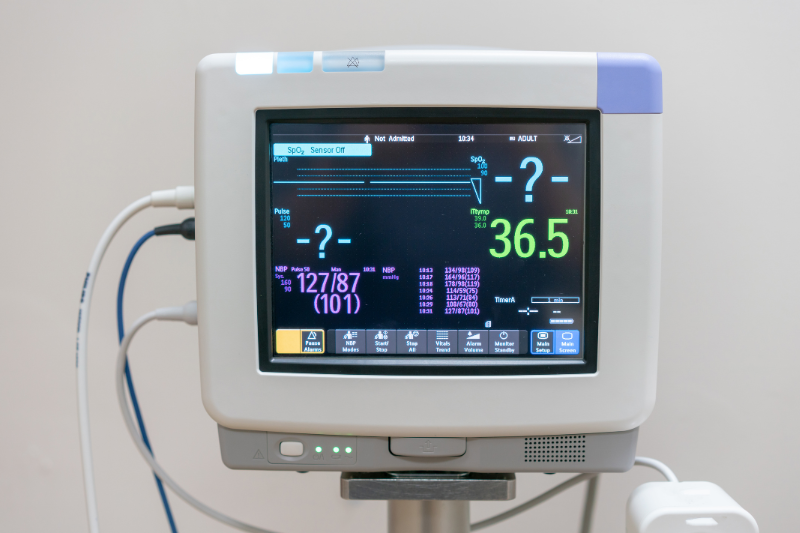
Comprehensive Cardiac Diagnostic Services
At Neurolinnk Hospital, our cardiac evaluation services include:
Electrocardiogram (ECG)
2D Echocardiography (2D Echo with Doppler)
Stress Test / Treadmill Test (TMT)
Furthermore, our team ensures patient comfort, safety, and accurate reporting during every procedure.
Electrocardiogram (ECG)
What is ECG?
How We Perform ECG
Conditions Detected Through ECG
Arrhythmias (irregular heartbeats)
Coronary artery disease
Heart attack (current or previous)
Electrolyte imbalance
Conduction abnormalities
Furthermore, ECG helps neurologists evaluate stroke patients since heart rhythm abnormalities often increase stroke risk.
Echocardiography (2D Echo)
What is Echocardiography?
How We Perform 2D Echo
Conditions Diagnosed with Echocardiography
Valve disorders (mitral, aortic, tricuspid)
Cardiomyopathy
Congenital heart disease
Heart failure
Blood clots inside heart chambers
Pericardial effusion
Moreover, echo plays a vital role in evaluating patients before major brain or spine surgeries. Consequently, surgeons can plan safe anesthesia and operative strategies.
Stress Testing (TMT – Treadmill Test)
What is TMT?
How We Conduct TMT
Initially, our team records a resting ECG. After that, the patient walks on a treadmill with gradually increasing speed and incline. Meanwhile, we continuously monitor heart rhythm, blood pressure, and symptoms.
If the patient experiences chest pain, breathlessness, or abnormal ECG changes, we stop the test immediately. Thus, we ensure patient safety at every stage.
Why Doctors Recommend TMT
To diagnose coronary artery disease
To evaluate chest pain
To assess exercise tolerance
To monitor heart patients after treatment
To screen high-risk individuals
Furthermore, cardiologists often combine ECG, Echo, and TMT for comprehensive heart assessment.
Preventive Heart Screening Packages
In addition, we offer preventive cardiac screening programs for:
Individuals above 40 years
Patients with hypertension or diabetes
Corporate health checkups
Athletes
Consequently, regular screening reduces unexpected cardiac emergencies.
Symptoms That Require Cardiac Testing
You should consult our cardiology team immediately if you experience:
Chest pain or tightness
Shortness of breath
Palpitations
Dizziness or fainting
High blood pressure
Family history of heart disease
Moreover, patients with diabetes, obesity, or stroke history must undergo routine cardiac evaluation. Consequently, early detection prevents major complications.
Benefits of Early Cardiac Diagnosis
Early cardiac testing offers several advantages:
Detects heart disease before symptoms worsen
Prevents heart attack and stroke
Guides lifestyle modification
Supports surgical fitness evaluation
Improves long-term survival
Ultimately, proactive heart screening protects both heart and brain health.