
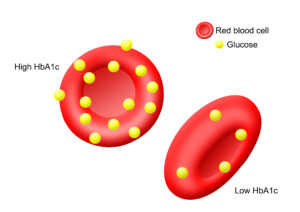
At Neurolinnk Brain, Spine & Medical Superspeciality Hospital, accurate diagnosis begins with essential laboratory investigations such as the Blood Glucose And HbA1c Test. These tests play a crucial role in detecting, monitoring, and managing diabetes and other metabolic disorders. Early identification of abnormal blood sugar levels helps prevent serious complications affecting the heart, kidneys, nerves, and brain.
The Blood Glucose And HbA1c Test provides valuable insights into both short-term and long-term blood sugar control, enabling doctors to create personalized treatment plans.
What Is a Blood Glucose Test?
A Blood Glucose Test measures the amount of sugar (glucose) present in the bloodstream at a specific time. It helps diagnose conditions like:
Type 1 Diabetes
Type 2 Diabetes
Prediabetes
Gestational Diabetes
Hypoglycemia
Types of Blood Glucose Tests
Fasting Blood Sugar (FBS) – Measures glucose after 8–10 hours of fasting.
Postprandial Blood Sugar (PPBS) – Measures glucose 2 hours after a meal.
Random Blood Sugar (RBS) – Taken at any time of the day.
Oral Glucose Tolerance Test (OGTT) – Evaluates how the body processes sugar over time.
These tests help determine immediate blood sugar levels and detect abnormalities.
What Is an HbA1c Test?
The HbA1c Test (Glycated Hemoglobin Test) measures the average blood sugar level over the past 2–3 months. It reflects how well blood glucose has been controlled over time.
Unlike a single blood sugar reading, HbA1c provides a long-term picture of glucose management.
HbA1c Reference Range
Below 5.7% – Normal
5.7% to 6.4% – Prediabetes
6.5% or higher – Diabetes
Regular HbA1c monitoring helps reduce the risk of diabetes-related complications.
Importance of Blood Glucose And HbA1c Test
The Blood Glucose And HbA1c Test is essential for:
Early diagnosis of diabetes
Monitoring treatment effectiveness
Preventing complications
Assessing risk of heart disease
Evaluating metabolic health
Consistent testing allows timely medication adjustments and lifestyle modifications.
Who Should Get Tested?
Doctors recommend the Blood Glucose And HbA1c Test for individuals who:
Have symptoms like excessive thirst or frequent urination
Are overweight or obese
Have a family history of diabetes
Have high blood pressure
Have high cholesterol
Are pregnant (for gestational diabetes screening)
Are above 35 years of age
Routine screening supports preventive healthcare.
Benefits of Regular Monitoring
Regular Blood Glucose And HbA1c Test monitoring helps:
Maintain stable blood sugar levels
Reduce the risk of kidney damage
Prevent nerve damage
Protect vision
Lower cardiovascular risk
Early intervention significantly improves long-term health outcomes.
Blood Glucose And HbA1c Testing at Neurolinnk
At Neurolinnk Brain, Spine & Medical Superspeciality Hospital, we provide:
Accurate laboratory diagnostics
Advanced testing equipment
Quick and reliable results
Expert medical interpretation
Personalized diabetes management plans
Our integrated approach ensures both precise diagnosis and comprehensive care.
Preparation for the Test
For accurate results:
Fast for 8–10 hours before FBS test
Inform the doctor about medications
Follow specific instructions for OGTT
No fasting required for HbA1c test
Proper preparation improves diagnostic accuracy.
Difference Between Blood Glucose And HbA1c Test
| Feature | Blood Glucose Test | HbA1c Test |
|---|---|---|
| Measures | Current sugar level | 2–3 month average |
| Fasting Required | Yes (for FBS) | No |
| Frequency | Often frequent | Every 3–6 months |
| Use | Immediate management | Long-term control assessment |
Who Should Get Tested?
Doctors recommend the Blood Glucose And HbA1c Test for individuals who:
Have symptoms like excessive thirst or frequent urination
Are overweight or obese
Have a family history of diabetes
Have high blood pressure
Have high cholesterol
Are pregnant (for gestational diabetes screening)
Are above 35 years of age
Routine screening supports preventive healthcare.
Advanced Diagnosis at Neurolinnk Brain,Spine & Medical Superspeciality Hospital
If you are experiencing symptoms of a spinal cord disorder or have been diagnosed with a spinal condition, consult the expert team at Neurolinnk Brain, Spine & Medical Superspeciality Hospital for advanced care, precise diagnosis, and comprehensive treatment solutions.