
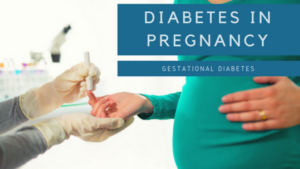
Diabetes of pregnancy, medically known as gestational diabetes, is a condition in which blood sugar levels rise during pregnancy. At Neurolinnk Brain, Spine & Medical Superspeciality Hospital, we provide comprehensive screening, monitoring, and personalized treatment plans to ensure the safety of both mother and baby.
Since gestational diabetes can develop without noticeable symptoms, early diagnosis and structured management are essential for a healthy pregnancy and delivery.
What is Gestational Diabetes?
Gestational diabetes occurs when pregnancy hormones interfere with insulin function, leading to elevated blood glucose levels. The placenta produces hormones that may cause insulin resistance. When the pancreas cannot compensate by producing enough insulin, blood sugar levels rise.
Although the condition usually resolves after delivery, it increases the long-term risk of developing Type II diabetes.
Risk Factors for Gestational Diabetes
Women may be at higher risk if they:
Are overweight or obese
Have a family history of diabetes
Had gestational diabetes in a previous pregnancy
Delivered a large baby previously
Have Polycystic Ovary Syndrome (PCOS)
Are above 25–30 years of age
However, gestational diabetes can develop even without these risk factors. Therefore, routine screening at Neurolinnk is strongly recommended.
Symptoms of Diabetes During Pregnancy
Most women do not experience obvious symptoms. However, some may notice:
Excessive thirst
Frequent urination
Fatigue
Blurred vision
Recurrent infections
Because symptoms may be mild, screening tests between 24–28 weeks of pregnancy are crucial.
Advanced Diagnosis at Neurolinnk
At Neurolinnk Brain, Spine & Medical Superspeciality Hospital, we offer:
Glucose Challenge Test (GCT)
Oral Glucose Tolerance Test (OGTT)
Fasting Blood Sugar Test
Postprandial Blood Sugar Test
HbA1c Testing (if required)
Our expert medical team ensures accurate diagnosis and immediate intervention to minimize pregnancy risks.
Risks to Mother and Baby
If not properly managed, gestational diabetes may lead to:
Risks to the Baby:
Excess birth weight (macrosomia)
Premature delivery
Low blood sugar after birth
Breathing difficulties
Increased risk of obesity and Type 2 diabetes later in life
Risks to the Mother:
High blood pressure
Preeclampsia
Higher chances of cesarean delivery
Future risk of Type 2 diabetes
At Neurolinnk, continuous monitoring significantly reduces these complications.
Treatment & Management at Neurolinnk
1. Personalized Diet Plan
Our specialists design balanced meal plans focusing on:
Controlled carbohydrate intake
High-fiber foods
Proper portion sizes
Small, frequent meals
2. Regular Physical Activity
Moderate exercise such as walking or prenatal yoga improves insulin sensitivity and supports healthy weight gain.
3. Blood Sugar Monitoring
We guide patients on home glucose monitoring to maintain safe blood sugar levels throughout pregnancy.
4. Insulin Therapy (If Needed)
If lifestyle changes are insufficient, insulin therapy is prescribed safely under expert supervision.
Post-Delivery Care
In most cases, blood sugar levels return to normal after childbirth. However, Neurolinnk recommends:
Postpartum glucose testing within 6–12 weeks
Annual diabetes screening
Continued healthy lifestyle habits
This approach helps reduce long-term risks.
Why Choose Neurolinnk Brain, Spine & Medical Superspeciality Hospital?
✔ Comprehensive prenatal diabetes screening
✔ Expert medical team
✔ Advanced diagnostic facilities
✔ Personalized treatment plans
✔ Continuous maternal and fetal monitoring
✔ Preventive long-term diabetes care
Our patient-centered approach ensures both maternal and fetal safety at every stage.
Why Early Screening for Gestational Diabetes is Important
Early detection helps:
Prevent excessive fetal growth
Reduce pregnancy-related complications
Lower the risk of emergency cesarean delivery
Protect the baby from post-birth glucose instability
Reduce long-term diabetes risk for the mother
At Neurolinnk, routine screening between 24–28 weeks of pregnancy ensures early identification and immediate management.
Personalized Treatment Plan for Gestational Diabetes
1. Medical Nutrition Therapy (MNT)
Nutrition is the cornerstone of gestational diabetes management. Our specialists create customized meal plans that:
Balance carbohydrates and proteins
Control portion sizes
Avoid sudden blood sugar spikes
Support healthy fetal growth
Proper dietary planning often reduces the need for medications.
2. Safe Physical Activity Guidance
Moderate physical activity helps improve insulin sensitivity. We recommend:
Brisk walking
Prenatal yoga
Light stretching exercises
All activities are tailored according to the patient’s trimester and health status.
3. Continuous Blood Sugar Monitoring
Regular glucose tracking helps maintain target levels and detect fluctuations early. Our team provides guidance on:
Home glucometer usage
Recording daily readings
Identifying warning signs
Adjusting lifestyle measures accordingly
4. Insulin Therapy (When Required)
If diet and exercise alone are insufficient, insulin therapy may be prescribed. Insulin is safe during pregnancy when administered under expert supervision.
At Neurolinnk, dosage is carefully adjusted to maintain optimal maternal glucose levels without affecting the baby.
Advanced Diagnosis at Neurolinnk Brain,Spine & Medical Superspeciality Hospital
At Neurolinnk Brain, Spine & Medical Superspeciality Hospital, advanced diagnosis is the foundation of accurate treatment and long-term recovery. Neurological and spine disorders often present with overlapping or subtle symptoms. Therefore, precise evaluation using modern diagnostic tools is essential for identifying the root cause and initiating timely intervention.