
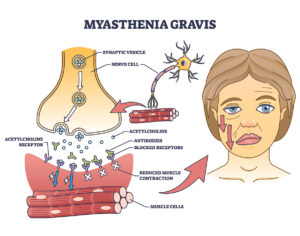
Myasthenia Gravis is a chronic autoimmune neuromuscular disorder that causes weakness in voluntary muscles. It often affects the eyes, face, neck, and limbs, making everyday activities such as walking, speaking, or swallowing challenging. Early diagnosis and specialized treatment are essential to manage symptoms, prevent complications, and improve quality of life.
At Neurolinnk Brain, Spine & Medical Superspeciality Hospital, we provide advanced evaluation, precise diagnosis, and personalized treatment plans for patients with Myasthenia Gravis and other neuromuscular disorders.
What Is Myasthenia Gravis?
Myasthenia Gravis occurs when the immune system produces antibodies that block or destroy communication between nerves and muscles. This prevents muscles from contracting properly, resulting in progressive muscle weakness.
Although it can affect individuals at any age, Myasthenia Gravis is most commonly diagnosed in women under 40 and men over 60.
Symptoms of Myasthenia Gravis
Symptoms often worsen with activity and improve with rest. Common signs include:
Drooping eyelids (ptosis)
Double vision (diplopia)
Difficulty speaking (dysarthria)
Weakness in arms, legs, neck, or fingers
Trouble swallowing or chewing
Shortness of breath in severe cases
Facial expression changes
Fatigue after repetitive movements
Early recognition of symptoms allows timely intervention and better treatment outcomes.
Causes & Risk Factors
The exact cause of Myasthenia Gravis is unknown, but contributing factors include:
Autoimmune response blocking nerve-muscle communication
Genetic predisposition in some cases
Thymus gland abnormalities
Other autoimmune conditions (e.g., lupus, rheumatoid arthritis)
Age and gender (higher risk in young women and older men)
Identifying triggers is essential for targeted treatment and long-term management.
Advanced Diagnosis at Neurolinnk
Neurolinnk uses cutting-edge diagnostics to accurately identify Myasthenia Gravis:
Clinical evaluation: Muscle strength and fatigue testing
Blood tests: Detect antibodies against acetylcholine receptors
Electromyography (EMG): Measures electrical activity of muscles
Imaging studies: CT or MRI scans to examine the thymus gland
Pulmonary function tests: Assess breathing strength in severe cases
This structured approach ensures precise diagnosis and guides personalized treatment planning.
Treatment Options for Myasthenia Gravis
Treatment depends on symptom severity and disease progression:
Medication-Based Treatment
Acetylcholinesterase inhibitors to improve nerve-muscle communication
Immunosuppressive drugs for controlling the autoimmune response
Corticosteroids for reducing inflammation
Monoclonal antibodies in severe or refractory cases
Advanced Interventions
Thymectomy (surgical removal of the thymus gland) for eligible patients
Plasma exchange or intravenous immunoglobulin (IVIG) in acute crises
Supportive Care & Rehabilitation
Physical therapy to maintain muscle strength
Occupational therapy for daily activity assistance
Respiratory therapy in severe cases
Nutritional guidance and energy conservation techniques
Regular follow-up and monitoring ensure treatment effectiveness and minimize complications.
Lifestyle & Self-Care Tips
Patients can improve quality of life with proper lifestyle measures:
Take frequent rest breaks during physical activity
Maintain a balanced diet rich in protein and nutrients
Avoid stress and overexertion
Practice gentle, supervised exercises
Use assistive devices if needed
Seek emotional support through counseling or support groups
These measures complement medical treatment and improve daily functioning.
Why Choose Neurolinnk for Myasthenia Gravis?
Experienced neuromuscular specialists
Comprehensive diagnostic facilities
Personalized treatment plans
Advanced autoimmune and muscle disorder therapies
Rehabilitation and long-term monitoring
Patient-centered, compassionate care
Our multidisciplinary approach ensures maximum mobility, independence, and overall quality of life for every patient.
Early Warning Signs to Watch
Schedule a consultation if you experience:
Drooping eyelids or double vision
Weakness in arms, legs, or neck
Difficulty speaking, chewing, or swallowing
Shortness of breath during activity
Rapid fatigue after simple tasks
Early evaluation allows for better symptom control and improved outcomes.
Potential Complications of Myasthenia Gravis
Without proper management, Myasthenia Gravis can lead to complications, including:
Myasthenic crisis: Severe muscle weakness affecting breathing, requiring emergency intervention
Respiratory infections due to weakened chest muscles
Difficulty swallowing leading to malnutrition or aspiration
Reduced mobility and independence
Fatigue affecting daily life and productivity
Increased risk of falls due to muscle weakness
Timely intervention at Neurolinnk significantly reduces these risks and improves overall prognosis.
Preventive Measures and Early Intervention
While Myasthenia Gravis cannot always be prevented, early diagnosis and lifestyle management can improve outcomes:
Recognize early signs such as drooping eyelids, limb weakness, or difficulty speaking
Avoid excessive physical exertion
Manage stress and maintain emotional well-being
Follow prescribed medications and therapy strictly
Schedule regular neurological check-ups
Address respiratory infections promptly
Proactive care helps maintain muscle function and quality of life.
Advanced Diagnosis at Neurolinnk Brain,Spine & Medical Superspeciality Hospital
Persistent muscle weakness should never be ignored. At Neurolinnk, we provide expert Myasthenia Gravis evaluation, advanced treatment, and long-term care.
Take the first step toward better neuromuscular health and schedule your consultation today.