
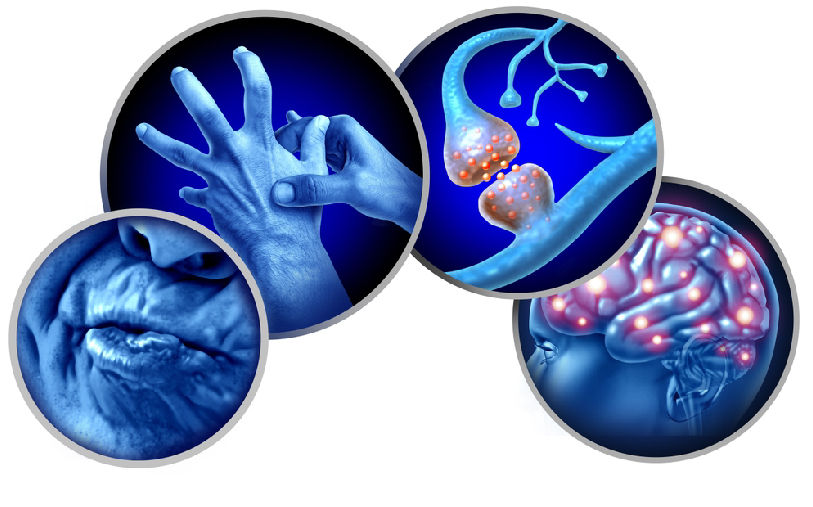
What Are Movement Disorders?
Movement disorders refer to neurological conditions that disrupt the normal control of voluntary or involuntary body movements. In particular, these conditions interfere with the brain’s ability to coordinate smooth and purposeful muscle activity. Specifically, they may cause tremors, stiffness, slowed movements, involuntary jerks, abnormal postures, or muscle rigidity. Moreover, these disorders develop when certain areas of the brain—especially the basal ganglia—fail to regulate muscle activity properly. As a result, patients often experience difficulty performing routine daily tasks.
While some movement disorders progress gradually over time, others, however, may appear suddenly and worsen rapidly. Therefore, accurate and timely diagnosis plays a critical role in preventing complications and long-term disability. In fact, early medical intervention significantly improves symptom control and functional outcomes.
At Neurolinnk, our neurologists actively evaluate each patient’s symptoms, medical history, and neurological findings in detail. Furthermore, they use advanced diagnostic tools to confirm the condition and rule out other causes. Consequently, our team identifies the root cause precisely and designs a customized, evidence-based treatment plan that promotes long-term neurological stability and improved quality of life.
Common Types of Movement Disorders We Treat
At Neurolinnk Brain, Spine & Medical Superspeciality Hospital, we actively manage multiple movement disorders, including:
1. Parkinson’s disease
Parkinson’s disease causes tremors, muscle rigidity, slowed movements (bradykinesia), and balance problems. Initially, patients may notice mild tremors in one hand. However, over time, symptoms can affect walking, speech, and posture. Our neurologists design medication plans, advanced therapies, and lifestyle modifications to control symptoms effectively.
2. Essential tremor
Essential tremor leads to rhythmic shaking, especially in the hands, head, or voice. Although it may appear mild initially, it can interfere with daily tasks such as writing or eating. We offer targeted medications and, when required, advanced interventional therapies.
3. Dystonia
Dystonia causes involuntary muscle contractions that produce abnormal postures. Importantly, early intervention improves muscle control and prevents worsening deformities. We provide medication therapy, botulinum toxin injections, and structured physiotherapy programs.
4. Huntington’s disease
Huntington’s disease results from a genetic mutation that affects movement, cognition, and behavior. Therefore, our specialists offer multidisciplinary management, including neurological care, psychological support, and family counseling.
5. Tourette syndrome
Tourette syndrome produces repetitive movements and vocal tics. Meanwhile, our neurologists evaluate triggers and create structured behavioral and medical treatment plans.
Signs and Symptoms of Movement Disorders
Patients should seek neurological evaluation immediately if they experience the following symptoms. In particular, early warning signs of movement disorders should never be ignored, because timely intervention significantly improves outcomes.
Persistent tremors in the hands or legs, especially during rest or activity
Slowness of movement, which gradually affects daily tasks
Muscle stiffness or rigidity, making movements uncomfortable or restricted
Involuntary jerking movements, which may interfere with coordination
Difficulty maintaining balance, thereby increasing the risk of falls
Abnormal posture or gait, which may progressively worsen over time
Changes in handwriting, particularly smaller or cramped writing
Voice tremors, which can affect speech clarity and confidence
Importantly, these symptoms may develop slowly and subtly at first. However, they often worsen if patients delay medical consultation. Therefore, early neurological evaluation allows doctors to identify the underlying cause promptly. Moreover, timely diagnosis enables targeted treatment, which consequently helps prevent disability and improves long-term neurological outcomes. Ultimately, proactive care protects mobility, independence, and overall quality of life.
Advanced Diagnostic Evaluation
At Neurolinnk, we actively use advanced diagnostic tools to confirm movement disorders. Firstly, our neurologists conduct detailed clinical examinations. Secondly, we perform neuroimaging studies such as MRI and CT scans. In addition, we recommend blood tests, genetic screening, or electrophysiological studies when necessary.
As a result, we identify the exact neurological dysfunction and develop a precise, evidence-based treatment plan. Furthermore, our hospital integrates modern diagnostic technology to ensure accurate and timely evaluation.
Comprehensive Treatment Approach
We treat movement disorders through a multi-layered strategy. Importantly, our team does not rely on medication alone. Instead, we integrate medical therapy, rehabilitation, counseling, and, when necessary, surgical intervention.
1. Medication Management
Neurologists prescribe dopamine-regulating medications, muscle relaxants, or anti-tremor drugs depending on the diagnosis. Moreover, we adjust dosages regularly to optimize symptom control.
2. Botulinum Toxin Therapy
For dystonia and spastic conditions, we administer targeted botulinum toxin injections. Consequently, patients experience improved muscle relaxation and better posture control.
3. Deep Brain Stimulation (DBS)
For advanced Parkinson’s disease or severe tremors, we offer advanced neurosurgical intervention like Deep Brain Stimulation. Through precise electrode placement, we regulate abnormal brain signals and significantly reduce symptoms.
4. Physiotherapy & Neuro-Rehabilitation
Our rehabilitation team actively guides patients through balance training, strengthening exercises, and gait correction programs. Ultimately, structured physiotherapy enhances independence.
Treatment
| Movement Disorder | Key Symptoms | Treatment Approach | Expected Outcome |
|---|---|---|---|
| Parkinson’s Disease | Tremors, stiffness, slow movement | Medication + DBS + Rehab | Improved mobility & control |
| Essential Tremor | Hand shaking, voice tremor | Medication + Advanced therapy | Reduced tremor severity |
| Dystonia | Muscle contractions, abnormal posture | Botulinum injections + Rehab | Better muscle relaxation |
| Huntington’s Disease | Involuntary jerks, cognitive decline | Multidisciplinary care | Symptom stabilization |
| Tourette Syndrome | Motor & vocal tics | Behavioral + Medical therapy | Improved social functioning |
Benefits of Early Treatment
When patients seek early treatment:
They slow disease progression
They reduce complications
They improve mobility
They maintain independence
They enhance emotional well-being
Therefore, proactive neurological care ensures long-term stability.
Why Choose Neurolinnk Brain, Spine & Medical Superspeciality Hospital?
Patients trust Neurolinnk because:
Our neurologists deliver specialized expertise
We use advanced diagnostic technology
We provide multidisciplinary care
We focus on patient-centered treatment
We offer comprehensive rehabilitation programs
Moreover, our hospital infrastructure supports advanced neurological monitoring and surgical precision. Consequently, patients receive safe, effective, and evidence-based care.