
Neurolinnk Brain, Spine & Medical Superspeciality Hospital

Stroke And Paralysis
Stroke and paralysis demand immediate, expert medical attention. Therefore, at Neurolinnk Brain, Spine & Medical Superspeciality Hospital, our neurology team acts quickly, evaluates patients thoroughly, and delivers advanced treatment without delay. Moreover, we combine cutting-edge technology with evidence-based protocols to reduce brain damage, restore function, and improve long-term recovery outcomes.
Importantly, stroke does not only affect elderly individuals. Instead, it can affect adults of any age due to uncontrolled blood pressure, diabetes, heart disease, smoking, obesity, or genetic factors. Consequently, early recognition and rapid intervention play a decisive role in saving brain cells and preventing permanent disability. Through our dedicated stroke care program, we ensure that patients receive comprehensive neurological evaluation, emergency treatment, and structured rehabilitation under one roof.

What is Stroke?

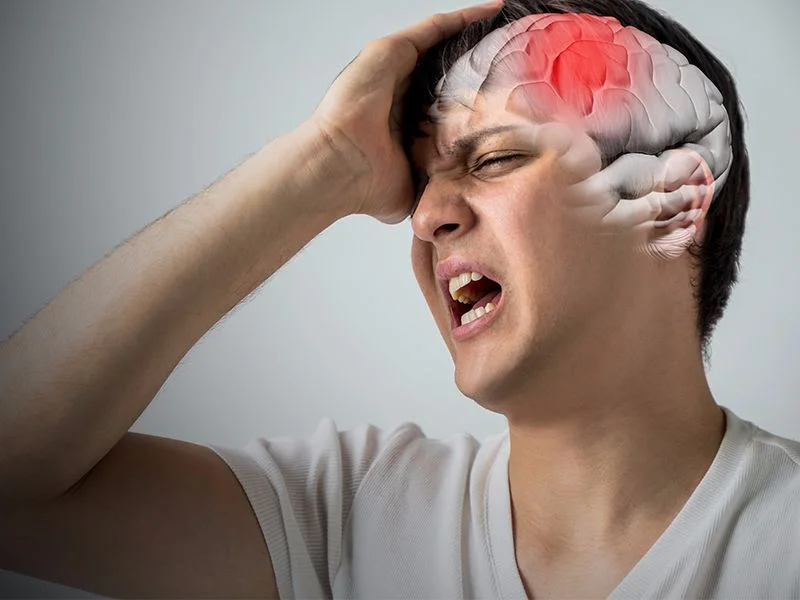
A stroke occurs when blood flow to a part of the brain suddenly stops or reduces significantly. As a result, brain cells begin to die within minutes due to a lack of oxygen and essential nutrients. Consequently, the affected area of the brain cannot function properly, which may lead to weakness, speech difficulty, or loss of coordination. For this reason, doctors classify stroke as a serious medical emergency that demands immediate hospital care. Therefore, early recognition of symptoms and rapid medical intervention play a critical role in preventing permanent brain damage and life-threatening complications.

Types of Stroke

Type of Stroke Cause What Happens Treatment Focus
Ischemic Stroke Blood clot blocks artery Brain tissue loses oxygen supply Clot-dissolving medication / thrombectomy
Hemorrhagic Stroke Blood vessel bursts Bleeding inside brain Bleeding control / surgery
Transient Ischemic Attack (TIA) Temporary blockage Short-term symptoms Prevent major stroke

Understanding Paralysis

Paralysis refers to the loss of muscle movement in part or most of the body. Stroke commonly causes paralysis when brain injury interrupts nerve signals to muscles. Consequently, patients may lose strength in one side of the body, a condition doctors call hemiplegia.

Types of Paralysis

Type Affected Area Common Cause
Hemiplegia One side of body Stroke
Paraplegia Lower body Spinal injury
Quadriplegia All four limbs Severe brain or spinal injury
Facial Paralysis Face muscles Brain nerve damage
Moreover, paralysis may affect speech, swallowing, balance, and coordination. Therefore, neurologists at Neurolinnk evaluate every neurological function carefully and design personalized rehabilitation plans.

Warning Signs of Stroke

Recognizing stroke symptoms early can save life and brain function. Therefore, doctors promote the FAST rule:

  • F – Face drooping

  • A – Arm weakness

  • S – Speech difficulty

  • T – Time to act immediately

In addition, patients may experience sudden severe headache, vision problems, dizziness, confusion, or difficulty walking. Consequently, families should bring patients to the hospital immediately instead of waiting for symptoms to improve.

Advanced Stroke Diagnosis at Neurolinnk

At Neurolinnk Brain, Spine & Medical Superspeciality Hospital, neurologists use advanced diagnostic tools to confirm stroke quickly and accurately. First and foremost, doctors perform a detailed neurological examination to assess reflexes, muscle strength, speech, vision, and coordination. Subsequently, radiology specialists conduct advanced imaging studies such as CT scans and MRI to identify the presence of a clot or internal bleeding. At the same time, the team performs cardiac evaluations to detect underlying heart-related causes that may have triggered the stroke.

Moreover, the hospital follows rapid stroke assessment protocols designed specifically to reduce door-to-needle time. In addition, emergency teams coordinate seamlessly to fast-track laboratory testing and imaging procedures. As a result, eligible patients receive clot-dissolving therapy within the critical golden hour whenever possible. Consequently, early intervention significantly reduces brain damage and improves functional outcomes. Ultimately, faster diagnosis and immediate treatment lead to higher survival rates and better long-term recovery.

Emergency Stroke Treatment

When ischemic stroke occurs, neurologists immediately administer thrombolytic therapy to dissolve clots and restore circulation. Furthermore, interventional specialists perform mechanical thrombectomy when large clots block major arteries and threaten critical brain areas. Through this advanced minimally invasive procedure, doctors directly remove the clot and quickly re-establish blood flow. As a result, they minimize brain cell damage and significantly improve survival outcomes.

On the other hand, when hemorrhagic stroke develops, neurosurgeons promptly control bleeding and actively reduce increased brain pressure to stabilize the patient. Meanwhile, critical care teams continuously monitor vital parameters to prevent further complications. In severe cases, surgeons perform emergency surgery to remove accumulated blood and relieve pressure on surrounding brain tissue. By acting swiftly and decisively, the medical team protects vital neurological functions.

Consequently, timely and aggressive treatment plays a crucial role in preventing further brain injury. Ultimately, early intervention not only improves recovery chances but also reduces the severity of paralysis and long-term disability.

Stroke and Paralysis Rehabilitation

Recovery does not end after emergency treatment; rather, rehabilitation begins immediately and continues in a structured manner. At Neurolinnk, rehabilitation specialists promptly design individualized programs that address each patient’s specific neurological needs. Moreover, these structured rehabilitation plans typically include:

  • Physiotherapy for muscle strength, thereby improving mobility and reducing weakness

  • Occupational therapy for daily activities, which helps patients regain independence in routine tasks

  • Speech therapy for communication recovery, especially when neurological conditions affect speech and language

  • Balance and coordination training, thus minimizing fall risk and enhancing stability

  • Swallowing therapy, particularly when patients experience difficulty eating or drinking

In addition, therapists consistently monitor patient progress and carefully modify exercises as recovery advances. Consequently, patients achieve steady improvement over time. As a result, they regain confidence and functional independence gradually. Ultimately, early and continuous rehabilitation significantly enhances long-term neurological outcomes and overall quality of life.

Why Choose Neurolinnk Brain, Spine & Medical Superspeciality Hospital?

Patients choose Neurolinnk Brain, Spine & Medical Superspeciality Hospital because the hospital consistently delivers comprehensive and advanced neurological care. First and foremost, the team provides:

  • 24/7 emergency stroke care, ensuring immediate medical intervention at any hour

  • Experienced neurologists and neurosurgeons, who bring specialized expertise and clinical precision

  • Advanced imaging technology, which enables fast and accurate diagnosis

  • ICU support with critical monitoring, for continuous supervision during high-risk situations

  • Integrated rehabilitation services, designed to promote structured and complete recovery

Moreover, the hospital adopts a multidisciplinary approach to treatment, allowing specialists to coordinate care efficiently. In addition, the team prioritizes patient education and family counseling at every stage of treatment. As a result, families clearly understand the diagnosis, available treatment options, and expected outcomes. Consequently, they participate actively in recovery planning and long-term care decisions. Ultimately, this transparent, supportive, and patient-centered approach builds trust and improves overall treatment success.

Technology and Infrastructure

Neurolinnk seamlessly integrates modern operation theatres, fully equipped Neuro ICU facilities, and advanced diagnostic imaging systems to deliver comprehensive neurological care. Moreover, the hospital strictly follows international stroke management protocols to ensure standardized and evidence-based treatment. As a result, patients consistently receive safe, accurate, and high-quality neurological care at every stage of treatment.

In addition, multidisciplinary coordination plays a crucial role in maintaining treatment continuity. From the moment of emergency admission, specialists collaborate closely to initiate rapid assessment and intervention. Subsequently, neurologists, neurosurgeons, intensivists, and rehabilitation experts work together to streamline patient care. Therefore, patients experience a seamless transition from acute management to structured rehabilitation.

Ultimately, this comprehensive and well-coordinated care model significantly enhances recovery, minimizes complications, and improves long-term neurological outcomes.

Prevention Strategies

Prevention remains the strongest defense against stroke and paralysis. Therefore, first and foremost, neurologists strongly encourage individuals to adopt proactive health measures to reduce their risk. In particular, they recommend:

  • Regular blood pressure monitoring, since uncontrolled hypertension significantly increases stroke risk

  • A healthy diet and consistent exercise, which together improve heart and brain health

  • Strict diabetes control, as elevated blood sugar levels can damage blood vessels over time

  • Smoking cessation, because tobacco use narrows arteries and reduces oxygen supply

  • Routine health check-ups, so doctors can detect and manage risk factors early

Furthermore, individuals who have previously suffered a stroke must follow prescribed medications carefully and consistently. In addition, they should attend scheduled follow-up visits without delay to monitor recovery and prevent recurrence. As a result, disciplined lifestyle habits and medical compliance significantly lower the chances of another stroke. Ultimately, consistent preventive strategies help protect brain health, preserve mobility, and improve long-term quality of life.

Take the first step toward recovery—book your appointment with our brain and spine specialists today.

Take the first step toward recovery—book your appointment with our brain and spine specialists today.

Call Now Button