Stress Test Doctor In Nagpur – Neurolinnk Brain, Spine & Medical Superspeciality Hospital
Heart diseases are increasing rapidly due to modern lifestyle habits, stress, and lack of physical activity. Therefore, early diagnosis of heart problems becomes extremely important for maintaining good cardiovascular health. A stress test is one of the most effective diagnostic procedures used to evaluate how well the heart performs during physical activity. When the body works harder, the heart pumps faster and requires more oxygen. As a result, a stress test helps doctors detect problems related to blood flow within the heart.
If you are searching for a reliable Stress Test Doctor In Nagpur, professional evaluation and accurate diagnosis can help identify heart-related concerns before they become severe. At Neurolinnk Brain, Spine & Medical Superspeciality Hospital, experienced cardiac specialists provide advanced diagnostic services and personalized treatment plans for patients with suspected heart conditions.
What Is a Cardiac Stress Test?
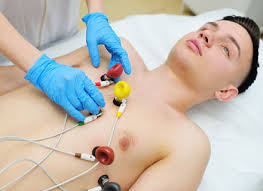
A cardiac stress test, also known as an exercise stress test, measures how the heart responds to physical exertion. During this test, doctors monitor the patient’s heart activity while they walk on a treadmill or pedal on a stationary bicycle. Electrodes placed on the chest record the heart’s electrical signals, while blood pressure and heart rate are continuously checked.
The purpose of this test is to determine whether the heart receives enough oxygen and blood during physical activity. If blood flow becomes restricted due to blocked arteries, the stress test can reveal abnormal changes in heart rhythm or ECG patterns.
Patients often undergo stress testing when they experience symptoms such as chest pain, shortness of breath, dizziness, or fatigue during physical activity. Additionally, doctors may recommend this test for individuals who have risk factors like diabetes, high cholesterol, obesity, or a family history of heart disease.
Importance of Stress Testing for Heart Disease Detection
Early detection of heart problems significantly improves treatment outcomes. A stress test helps doctors understand how well the heart functions when it faces increased physical demand. Consequently, this test plays a crucial role in diagnosing several cardiovascular conditions.
One major benefit of stress testing is the ability to detect coronary artery disease, which occurs when arteries supplying blood to the heart become narrowed or blocked. Reduced blood flow can cause chest pain and increase the risk of heart attacks. Through stress testing, doctors can identify these issues before they develop into life-threatening conditions.
Furthermore, stress tests help determine the effectiveness of ongoing heart treatments or medications. For example, doctors may perform this test after heart surgery or angioplasty to ensure the heart functions properly during exercise.
Patients looking for a Stress Test Doctor In Nagpur can benefit from modern diagnostic equipment and expert supervision at Neurolinnk Brain, Spine & Medical Superspeciality Hospital. Early screening not only helps prevent severe heart complications but also allows patients to adopt healthier lifestyle habits based on medical guidance.
Who Should Get a Stress Test?
Not everyone requires a stress test, but certain individuals benefit greatly from this diagnostic procedure. Doctors often recommend stress testing for people who show symptoms related to heart disease or possess significant cardiovascular risk factors.
For example, individuals experiencing chest discomfort, breathlessness during physical activity, irregular heartbeat, or unexplained fatigue may need a stress test. Additionally, people with high blood pressure, diabetes, obesity, or high cholesterol may undergo this test as part of routine cardiac evaluation.
Athletes and individuals planning to start intense exercise programs may also benefit from stress testing. This helps ensure that their heart can safely handle increased physical activity.
Moreover, patients with a family history of heart disease should consider regular cardiac screening. Early detection helps reduce the risk of sudden cardiac events and allows doctors to recommend preventive measures.
Types of Stress Tests
Medical professionals use several types of stress tests depending on the patient’s health condition and diagnostic requirements. Each method helps doctors assess heart function under controlled stress conditions.
The most common test is the exercise treadmill stress test (TMT). In this test, patients walk or run on a treadmill while doctors monitor their ECG, heart rate, and blood pressure. The intensity gradually increases to observe how the heart reacts.
Another type is the nuclear stress test, which involves injecting a small amount of radioactive tracer into the bloodstream. Special imaging cameras then capture detailed images of blood flow to the heart muscle during rest and physical stress.
Additionally, a stress echocardiogram combines ultrasound imaging with exercise testing. This method allows doctors to visualize heart structures and detect abnormalities in heart muscle movement.
Procedure of a Stress Test
The stress test procedure usually takes about 30 to 45 minutes and is performed under the supervision of trained medical professionals. Before starting the test, doctors attach small electrodes to the patient’s chest to monitor the heart’s electrical activity.
Initially, the patient walks slowly on a treadmill. Gradually, the speed and incline increase to create physical stress on the heart. During the test, doctors carefully observe the ECG readings, heart rate, blood pressure, and breathing patterns.
If the patient experiences severe chest pain, dizziness, or abnormal heart rhythm, doctors immediately stop the test to ensure safety. After completing the exercise phase, the patient rests while doctors continue monitoring the heart until it returns to its normal rate.
A qualified Stress Test Doctor In Nagpur ensures that every step of the procedure remains safe and comfortable. At Neurolinnk Brain, Spine & Medical Superspeciality Hospital, trained specialists conduct stress testing with modern equipment and strict safety protocols.
Benefits of Stress Testing
Stress testing offers several important benefits for individuals concerned about their heart health. First and foremost, it helps identify early signs of coronary artery disease before symptoms become severe.
Additionally, stress testing allows doctors to evaluate the effectiveness of heart medications or treatments. Patients who have undergone angioplasty, bypass surgery, or other cardiac procedures often require follow-up stress testing to monitor their recovery.
Another advantage of stress testing is its ability to detect irregular heart rhythms triggered by exercise. These abnormalities may not appear during rest, making stress testing essential for accurate diagnosis.
Moreover, the test helps doctors determine safe exercise levels for patients with heart conditions. Based on the results, doctors can recommend personalized fitness plans that improve heart health without causing excessive strain.
Preparing for a Stress Test
Proper preparation ensures accurate results during a stress test. Doctors usually provide specific instructions before the procedure. Patients may be asked to avoid heavy meals, caffeine, or smoking for several hours before the test. Comfortable clothing and sports shoes are recommended because the patient will perform physical exercise during the procedure. Additionally, patients should inform their doctor about any medications they are currently taking.
In some cases, doctors may advise temporarily stopping certain heart medications before the test to avoid interference with results. However, patients should never stop medications without medical guidance.
At Neurolinnk Brain, Spine & Medical Superspeciality Hospital, healthcare professionals guide patients through the preparation process to ensure a smooth and accurate diagnostic experience.
Choosing the Right Stress Test Doctor In Nagpur
Selecting the right doctor plays an important role in obtaining accurate diagnostic results and proper treatment recommendations. An experienced stress test doctor evaluates symptoms, medical history, and risk factors before recommending appropriate testing.
Advanced diagnostic facilities, skilled medical staff, and modern equipment contribute to safe and reliable stress testing procedures. Furthermore, a comprehensive cardiac center offers additional services such as ECG, echocardiography, lipid profile testing, and preventive heart screening.
Preparing for a Stress Test
Proper preparation ensures accurate results. Patients should avoid heavy meals, caffeine, and smoking before the test and wear comfortable clothing and shoes. Inform your doctor about any medications, as some may need adjustment.
During the test, trained staff monitor your heart rate, blood pressure, and ECG for safety. At Neurolinnk Brain, Spine & Medical Superspeciality Hospital, patients receive clear instructions and guidance to ensure a safe, precise, and comfortable testing experience.
Conclusion
A stress test is a crucial diagnostic tool that helps detect early signs of heart disease and assess overall cardiovascular health. By monitoring how the heart responds to physical activity, doctors can identify blocked arteries, abnormal heart rhythms, and other potential cardiac issues before they become severe. Early detection enables timely intervention, personalized treatment, and lifestyle modifications, which significantly reduce the risk of heart attacks and other complications.
Consulting an experienced Stress Test Doctor in Nagpur at Neurolinnk Brain, Spine & Medical Superspeciality Hospital ensures accurate evaluation, advanced diagnostics, and comprehensive heart care. With professional guidance and preventive screening, patients can maintain better heart health and adopt safer, healthier lifestyles.
Book an Appointment
Scheduling a consultation at Neurolinnk Brain, Spine & Medical Superspeciality Hospital is simple and convenient. Patients experiencing persistent headaches, back pain, neck pain, numbness, seizures, or any neurological symptoms are encouraged to seek early evaluation. Timely consultation helps in accurate diagnosis and faster recovery.
You can book an appointment by calling the hospital directly during working hours or by visiting the clinic reception in person. Many patients also prefer scheduling through the official website or online appointment portal. When booking, it is helpful to mention your primary symptoms, previous medical history, and any reports such as MRI, CT scan, or blood test results.
Frequently Asked Questions (FAQs)
1. What is a stress test used for?
A stress test evaluates how well the heart functions during physical activity and helps detect heart disease.
2. Is a stress test painful?
No, the test is non-invasive and generally painless. Patients simply walk on a treadmill while doctors monitor heart activity.
3. How long does a stress test take?
The procedure usually takes about 30 to 45 minutes including preparation and recovery time.
4. Who should undergo a stress test?
People with chest pain, shortness of breath, high blood pressure, diabetes, or family history of heart disease may need this test.
5. Where can I get a stress test in Nagpur?
You can consult specialists at Neurolinnk Brain, Spine & Medical Superspeciality Hospital for accurate cardiac stress testing and expert heart care
Take the first step toward recovery—book your appointment with our brain and spine specialists today.