
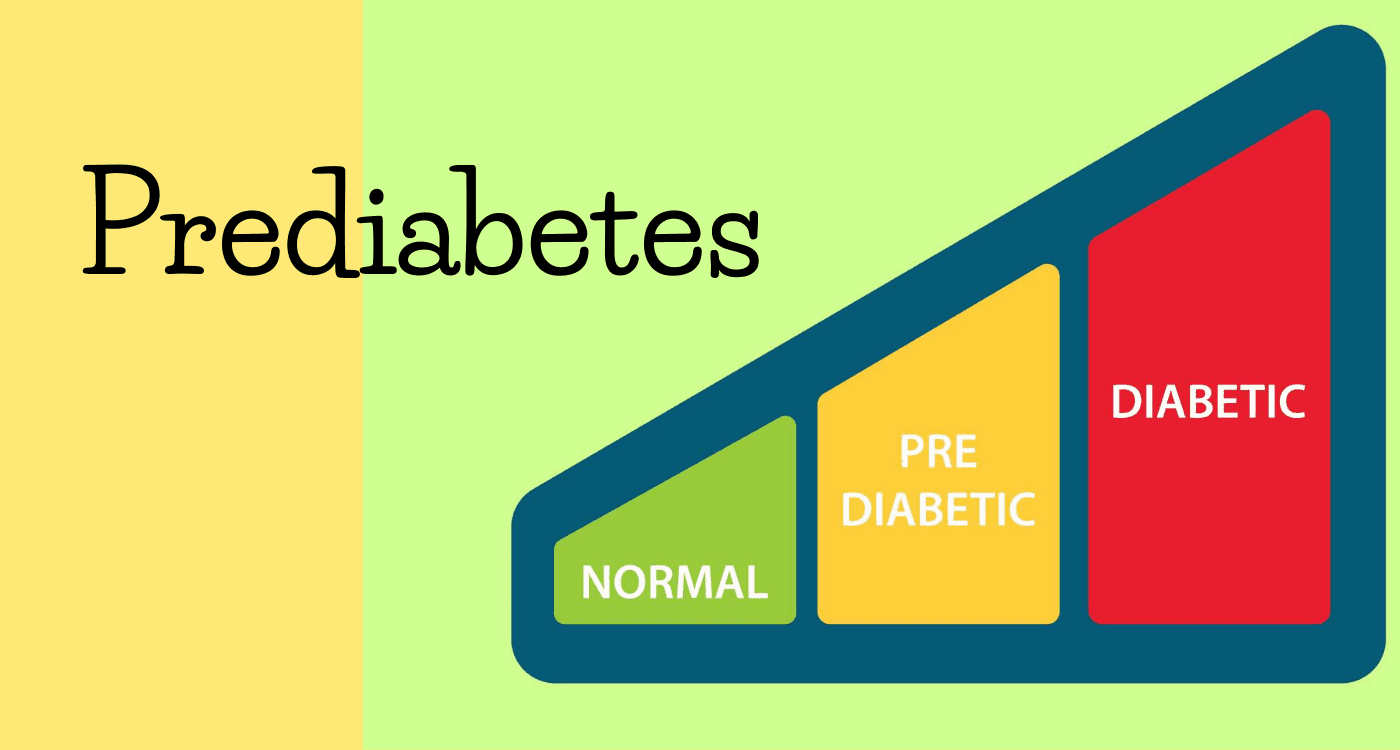
Prediabetes is an early warning stage of diabetes where blood sugar levels are higher than normal. However, the levels are not yet high enough to be classified as Type 2 diabetes. Therefore, early diagnosis and proper medical care become extremely important.
Understanding Prediabetes
Prediabetes occurs when the body begins to develop insulin resistance, which means the body cannot use insulin effectively. Consequently, glucose accumulates in the bloodstream instead of being used for energy.
Although prediabetes may not always cause noticeable symptoms, the condition should never be ignored. In fact, without proper treatment, prediabetes can gradually develop into Type 2 diabetes and other serious health complications.
Therefore, early screening and medical supervision play a key role in controlling blood sugar levels and protecting long-term health.
Risk Factors For Prediabetes
Several factors can increase the likelihood of developing prediabetes. However, recognizing these risk factors can help individuals take preventive action.
Common risk factors include:
Family history of diabetes
Being overweight or obese
Sedentary lifestyle
High blood pressure
Unhealthy eating habits
Increasing age
Hormonal conditions such as PCOS
Because of these risk factors, regular health checkups are recommended for early detection.
Symptoms Of Prediabetes
Prediabetes often develops silently, which means many people remain unaware of the condition. Nevertheless, certain signs may indicate rising blood sugar levels.
Possible symptoms include:
Increased thirst
Frequent urination
Fatigue or low energy
Blurred vision
Darkened skin patches around the neck or armpits
Unexplained weight changes
If these symptoms appear, medical consultation should not be delayed.
Advanced Diagnosis At Neurolinnk
Accurate diagnosis is essential for identifying prediabetes at an early stage. Therefore, advanced laboratory testing helps determine blood sugar levels and metabolic health.
At Neurolinnk Brain, Spine & Medical Superspeciality Hospital, diagnostic tests may include:
Fasting Blood Sugar Test
HbA1c Test
Oral Glucose Tolerance Test (OGTT)
Random Blood Sugar Test
Lipid Profile and metabolic screening
Because of these detailed evaluations, doctors can identify early glucose imbalance and recommend preventive treatment.
Prediabetes Management And Treatment
The primary goal of prediabetes treatment is to restore healthy blood sugar levels and prevent diabetes development. Therefore, treatment usually focuses on lifestyle and medical guidance.
Lifestyle Modification
Healthy lifestyle habits are the foundation of prediabetes management. Consequently, patients are advised to adopt regular physical activity and balanced nutrition.
Weight Management
Maintaining a healthy body weight significantly improves insulin sensitivity. As a result, even moderate weight loss can reduce the risk of developing diabetes.
Healthy Diet Planning
Proper nutrition helps regulate blood glucose levels. Therefore, doctors recommend a diet rich in fiber, vegetables, lean proteins, and whole grains while limiting refined sugars.
Regular Monitoring
Routine health monitoring allows doctors to track blood sugar changes. Thus, treatment strategies can be adjusted when necessary.
Importance Of Early Treatment
Ignoring prediabetes can lead to serious long-term health problems. However, early treatment can significantly reduce these risks.
If left untreated, prediabetes may increase the chances of:
Type 2 Diabetes
Heart disease
Stroke
Kidney problems
Nerve damage
Therefore, preventive healthcare and timely intervention are essential.
Why Choose Neurolinnk For Prediabetes Treatment In Nagpur ?
Selecting the right healthcare facility is important for long-term metabolic health. Therefore, many patients trust Neurolinnk Brain, Spine & Medical Superspeciality Hospital for preventive and diagnostic care.
Key benefits include:
Experienced medical team led by Dr. Neeta Patnaik
Advanced diagnostic technology
Comprehensive metabolic evaluation
Personalized lifestyle and treatment plans
Preventive healthcare approach
Patient-focused medical care
Because of these advantages, Neurolinnk has become a trusted medical center in Nagpur.
Expert Medical Care By Dr. Neeta Patnaik
Dr. Neeta Patnaik is known for providing advanced healthcare services and accurate medical evaluation. In addition, the focus remains on early diagnosis and preventive treatment strategies.
At Neurolinnk Brain, Spine & Medical Superspeciality Hospital, patients receive complete health support that helps control metabolic disorders and improve overall wellness.
Consequently, individuals can take proactive steps toward a healthier and diabetes-free future.
Frequently Asked Questions (FAQs) – Prediabetes Treatment In Nagpur
1. What is prediabetes?
Prediabetes is a health condition in which blood sugar levels are higher than normal but not high enough to be diagnosed as Type 2 diabetes. However, without proper care, it may eventually progress into diabetes.
2. What causes prediabetes?
Prediabetes usually develops due to insulin resistance, poor diet, lack of physical activity, obesity, family history of diabetes, and increasing age. Therefore, lifestyle changes play an important role in prevention.
3. What are the symptoms of prediabetes?
In many cases, prediabetes does not show obvious symptoms. However, some people may experience increased thirst, fatigue, frequent urination, or darkened skin around the neck or armpits.
4. How is prediabetes diagnosed?
Doctors diagnose prediabetes using tests such as fasting blood glucose, HbA1c test, and oral glucose tolerance test (OGTT) to evaluate blood sugar levels.
5. Can prediabetes be reversed?
Yes, prediabetes can often be reversed with proper lifestyle changes, including healthy diet, regular exercise, weight management, and medical guidance.