
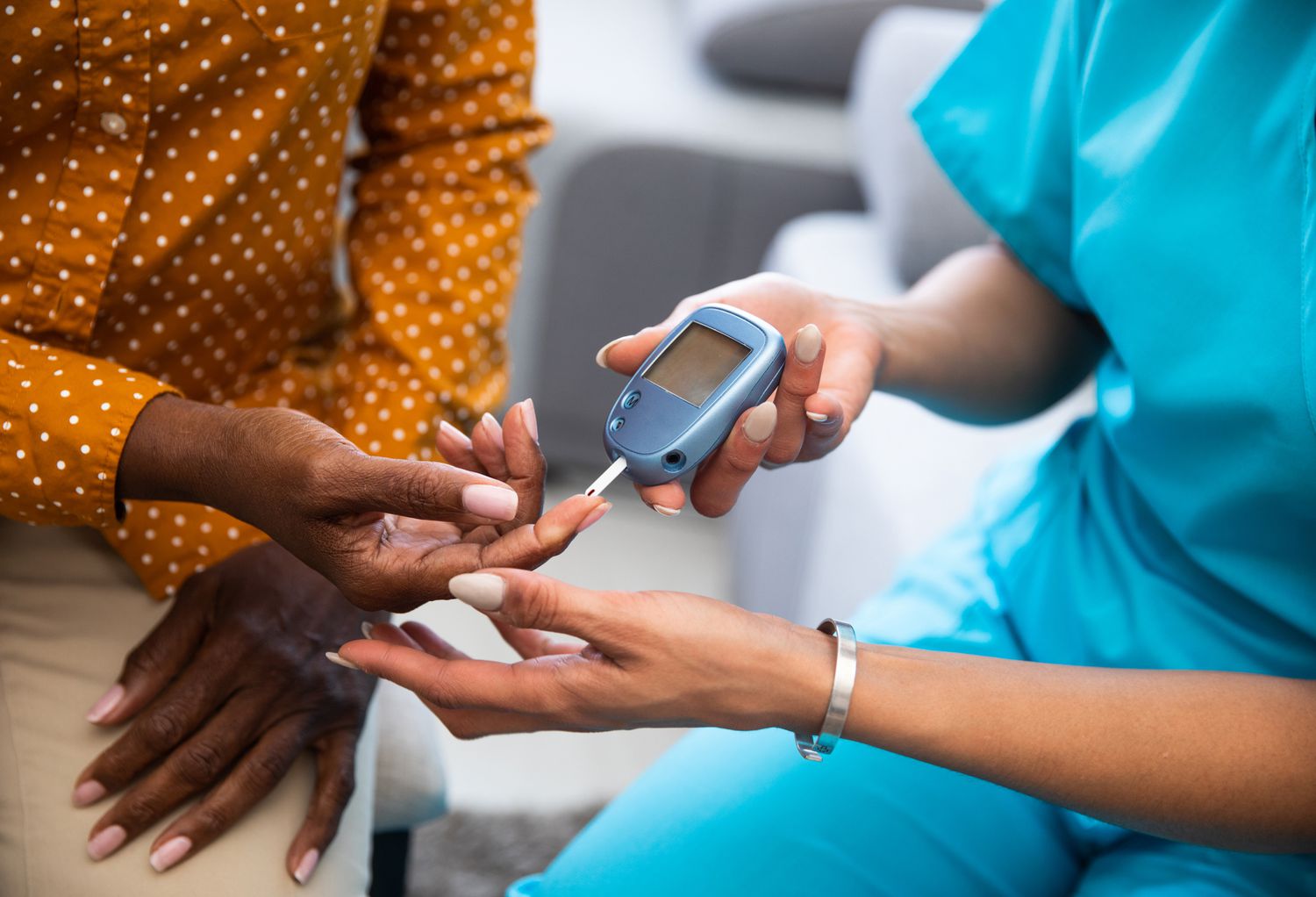
Diabetes is a chronic health condition that affects millions of people worldwide. However, when blood sugar levels remain consistently high despite treatment, the condition is known as uncontrolled diabetes. Therefore, early medical intervention becomes extremely important to prevent serious complications.
What Is Uncontrolled Diabetes?
Uncontrolled diabetes occurs when blood glucose levels remain higher than the recommended range for an extended period. Consequently, the body cannot properly regulate sugar levels, which may damage vital organs.
Although diabetes can often be managed with medication and lifestyle changes, several factors may lead to uncontrolled blood sugar levels. For example, irregular medication intake, poor diet, stress, infections, or lack of physical activity may worsen the condition.
Therefore, continuous monitoring and professional medical care are essential for maintaining stable glucose levels.
Common Symptoms Of Uncontrolled Diabetes
Uncontrolled diabetes may cause various symptoms that affect daily life. Furthermore, these symptoms can worsen if the condition remains untreated.
Common warning signs include:
Frequent urination
Excessive thirst
Unexplained weight loss
Constant fatigue
Blurred vision
Slow healing wounds
Frequent infections
Numbness or tingling in hands and feet
If these symptoms persist, medical consultation becomes necessary to prevent long-term complications.
Advanced Diagnosis At Neurolinnk
Accurate diagnosis plays a crucial role in managing uncontrolled diabetes. Therefore, advanced diagnostic tests are used to evaluate blood sugar levels and overall metabolic health.
At Neurolinnk Brain, Spine & Medical Superspeciality Hospital, diagnostic services may include:
Blood glucose testing
HbA1c test for long-term sugar monitoring
Fasting blood sugar evaluation
Postprandial blood sugar test
Kidney function tests
Lipid profile analysis
Because of these comprehensive evaluations, doctors can develop an effective treatment strategy for each patient.
Uncontrolled Diabetes Treatment Options
Managing uncontrolled diabetes requires a combination of medical treatment, lifestyle modification, and continuous monitoring. Therefore, treatment plans are customized according to each patient’s health condition.
Medication Management
Doctors may adjust medications or insulin therapy to regulate blood sugar levels more effectively.
Lifestyle Modification
Healthy lifestyle habits play a major role in diabetes management. Therefore, patients are encouraged to adopt balanced nutrition and regular exercise routines.
Diet and Nutrition Guidance
A proper diabetic diet helps maintain stable glucose levels. Consequently, patients receive professional dietary recommendations tailored to their needs.
Continuous Monitoring
Regular monitoring allows doctors to track blood sugar levels and adjust treatment accordingly. As a result, complications can be prevented.
Complications Of Uncontrolled Diabetes
If left untreated, uncontrolled diabetes may lead to serious health complications. Therefore, early treatment is essential.
Possible complications include:
Heart disease
Kidney damage
Nerve damage (neuropathy)
Vision problems
Stroke risk
Poor wound healing
Diabetic foot complications
However, with proper medical care and lifestyle management, these complications can often be prevented.
Why Choose Neurolinnk For Diabetes Care In Nagpur?
Choosing the right healthcare center is crucial for long-term diabetes management. Therefore, many patients trust Neurolinnk Brain, Spine & Medical Superspeciality Hospital for comprehensive medical care.
Key advantages include:
Experienced medical team led by Dr. Neeta Patnaik
Advanced diagnostic facilities
Personalized treatment plans
Focus on preventive healthcare
Comprehensive patient monitoring
Patient-centered care approach
Because of these benefits, Neurolinnk has become a trusted healthcare destination in Nagpur.
Expert Care Under Dr. Neeta Patnaik
Dr. Neeta Patnaik is known for providing advanced medical care for complex health conditions. Moreover, his patient-focused approach ensures accurate diagnosis and effective treatment strategies.
At Neurolinnk, patients receive comprehensive care that focuses on improving overall health while managing chronic conditions like diabetes.
Consequently, patients benefit from better blood sugar control and improved quality of life.
When Should You Consult A Doctor?
Early consultation can help prevent serious complications associated with uncontrolled diabetes. Therefore, medical attention is recommended if:
Blood sugar levels remain consistently high
Diabetes symptoms worsen over time
Medication does not control glucose levels
Fatigue and weakness increase
Vision or nerve-related symptoms develop
Prompt treatment can significantly improve long-term health outcomes.
FAQ For Uncontrolled Diabetes Treatment In Nagpur
1. What is uncontrolled diabetes?
Uncontrolled diabetes occurs when blood sugar levels remain consistently higher than the recommended range despite medication or lifestyle management. As a result, it may increase the risk of serious health complications.
2. What causes uncontrolled diabetes?
Several factors can lead to uncontrolled diabetes. For example, irregular medication, unhealthy diet, lack of physical activity, stress, infections, or hormonal changes may cause blood sugar levels to rise.
3. What are the symptoms of uncontrolled diabetes?
Common symptoms include frequent urination, excessive thirst, fatigue, blurred vision, unexplained weight loss, slow wound healing, and numbness in hands or feet.
4. When should I see a doctor for uncontrolled diabetes?
You should consult a doctor if blood sugar levels remain high, symptoms worsen, or medications fail to control glucose levels. Early medical care can help prevent complications.