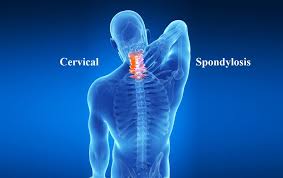
Best Cervical Pain / Cervical Spondylitis Treatment in Nagpur– Advanced Neurosurgical Care at Neurolinnk Brain, Spine & Medical Superspeciality Hospital
Cervical pain and cervical spondylitis are common spine-related problems that affect many people due to modern lifestyle habits. Long working hours, poor posture, excessive mobile usage, and lack of physical activity often lead to strain in the neck and upper spine. As a result, individuals may experience persistent neck pain, stiffness, headaches, or numbness in the shoulders and arms. Therefore, early diagnosis and proper treatment are essential to prevent the condition from worsening.
If you are looking for the Best Cervical Pain / Cervical Spondylitis Treatment in Nagpur, expert care is available at Neurolinnk Brain, Spine & Medical Superspeciality Hospital. The hospital provides advanced spine evaluation, modern diagnostic facilities, and comprehensive treatment options to help patients recover from cervical spine conditions.
Understanding Cervical Spondylitis
Cervical spondylitis, also known as cervical osteoarthritis, refers to the gradual degeneration of the bones, discs, and joints in the neck region of the spine. This condition commonly develops due to aging, but lifestyle factors can also contribute significantly.
The cervical spine consists of seven vertebrae that support the head and allow neck movement. Between these vertebrae are discs that act as shock absorbers. However, with age or continuous strain, these discs may lose flexibility and height. Consequently, the bones may rub against each other and cause inflammation or nerve compression.
Furthermore, bone spurs may develop around the vertebrae as the body attempts to stabilize the spine. These growths can narrow the spinal canal and put pressure on spinal nerves. As a result, individuals may experience neck pain, stiffness, tingling, or weakness in the arms.
Although cervical spondylitis is common among older adults, younger individuals can also develop the condition due to poor posture, prolonged screen time, and lack of exercise.
Common Causes of Cervical Pain
Several factors contribute to cervical pain and spondylitis. One of the most common causes is poor posture, especially during long hours of sitting, working on computers, or using mobile devices. When the neck remains bent forward for extended periods, it puts extra pressure on the cervical spine.
Another major factor is aging. As people grow older, the discs in the cervical spine gradually lose water content and elasticity. Consequently, the spine becomes less flexible and more susceptible to degeneration.
In addition, injuries or accidents can damage the cervical vertebrae or surrounding muscles. Such trauma may lead to chronic neck pain or spinal instability.
Lifestyle factors also play a significant role. Lack of physical activity weakens the muscles supporting the spine, while obesity increases pressure on spinal structures. Smoking may also accelerate disc degeneration by reducing blood supply to spinal tissues.
Symptoms of Cervical Spondylitis
The symptoms of cervical spondylitis can vary depending on the severity of the condition and the nerves involved. Neck pain and stiffness are the most common symptoms experienced by patients. The pain may worsen after long periods of sitting or after waking up in the morning.
In many cases, the pain spreads from the neck to the shoulders, arms, or upper back. Patients may also experience headaches that originate from the base of the skull.
Furthermore, nerve compression can lead to tingling, numbness, or weakness in the arms and hands. Some individuals may find it difficult to move their neck freely or perform daily activities comfortably.
In severe cases, cervical spondylitis can affect balance and coordination if the spinal cord becomes compressed. Therefore, medical evaluation becomes essential when symptoms persist or worsen.
Early diagnosis helps prevent complications and allows patients to receive appropriate treatment.
Diagnosis of Cervical Spine Problems
Accurate diagnosis plays a crucial role in identifying the exact cause of cervical pain. Doctors begin with a detailed medical history and physical examination. During this evaluation, they assess neck movement, muscle strength, and nerve function.
Additionally, diagnostic imaging tests may be recommended to confirm the condition. X-rays help detect bone changes, disc degeneration, or bone spurs in the cervical spine.
MRI scans provide detailed images of soft tissues such as spinal discs, nerves, and ligaments. These scans help doctors identify nerve compression, herniated discs, or spinal canal narrowing.
Sometimes CT scans or nerve conduction studies may also be used for further evaluation.
At Neurolinnk Brain, Spine & Medical Superspeciality Hospital, advanced diagnostic facilities ensure accurate assessment of cervical spine conditions and guide effective treatment planning.
Non-Surgical Treatment for Cervical Pain
Most cases of cervical pain can be treated successfully without surgery. Doctors usually begin with conservative treatment methods to relieve pain and improve mobility.
Medications such as pain relievers, anti-inflammatory drugs, and muscle relaxants help reduce pain and inflammation in the neck region. These medications provide temporary relief while the underlying condition is being treated.
Physiotherapy is another important component of treatment. Through guided exercises, patients strengthen neck muscles, improve flexibility, and restore proper posture.
Doctors may also recommend lifestyle modifications such as ergonomic work setups, proper sleeping positions, and regular stretching exercises. Heat or cold therapy may help relieve muscle tension and reduce discomfort.
With consistent treatment and lifestyle changes, many patients experience significant improvement in symptoms.
Surgical Treatment for Severe Cervical Spine Conditions
In rare cases, surgery may be required when conservative treatments fail to provide relief or when nerve compression becomes severe. Surgical procedures aim to remove pressure from spinal nerves and stabilize the cervical spine.
Common procedures include cervical discectomy, spinal fusion, and artificial disc replacement. These surgeries help restore spinal alignment and reduce nerve compression.
Modern spine surgery techniques are minimally invasive, which means smaller incisions, reduced pain, and faster recovery for patients.
Specialized spine surgeons carefully evaluate each case before recommending surgery. Only patients with significant nerve compression, severe pain, or spinal instability require surgical intervention.
Preventing Cervical Pain and Spondylitis
Prevention plays an important role in maintaining spinal health. Simple lifestyle habits can significantly reduce the risk of cervical spine problems.
Firstly, maintaining good posture while sitting, standing, and working helps reduce strain on the neck. Using ergonomic chairs and adjusting computer screens to eye level can improve posture.
Secondly, regular exercise strengthens the muscles supporting the neck and spine. Stretching exercises improve flexibility and reduce stiffness.
Avoiding prolonged mobile usage and taking frequent breaks during work also help prevent cervical strain.
Maintaining a healthy body weight reduces pressure on the spine and supports overall spinal health.
By following these preventive measures, individuals can protect their cervical spine and reduce the risk of chronic neck pain.
Causes of Cervical Pain and Cervical Spondylitis
Several factors contribute to cervical pain and cervical spondylitis. One of the most common causes is poor posture, especially during long hours of working on computers or using mobile phones. When the neck stays bent forward for extended periods, it puts excessive pressure on the cervical spine.
Aging is another major factor. As people grow older, the spinal discs gradually lose flexibility and cushioning ability. Consequently, the bones and joints in the neck may experience increased friction and degeneration.
Why Choose Neurolinnk Brain, Spine & Medical Superspeciality Hospital
For individuals seeking the Best Cervical Pain / Cervical Spondylitis Treatment in Nagpur, Neurolinnk Brain, Spine & Medical Superspeciality Hospital offers advanced spine care and comprehensive treatment solutions.
The hospital provides experienced spine specialists, modern diagnostic technology, and personalized treatment plans. Doctors carefully evaluate each patient’s condition and recommend the most suitable treatment approach.
Additionally, the hospital focuses on patient education, preventive care, and rehabilitation programs to ensure long-term recovery and spinal health.
Because of its multidisciplinary approach and advanced medical facilities, patients receive high-quality care and effective treatment outcomes.
Conclusion
Cervical pain and cervical spondylitis can significantly affect daily life if left untreated. However, with early diagnosis, appropriate medical care, and healthy lifestyle practices, most patients can manage symptoms effectively and maintain good spinal health.
Consulting experienced spine specialists ensures accurate diagnosis and personalized treatment plans. At Neurolinnk Brain, Spine & Medical Superspeciality Hospital, patients receive advanced spine care, modern diagnostic services, and comprehensive treatment options for cervical spine disorders.
Timely medical attention, combined with proper posture, exercise, and preventive care, can help individuals live pain-free and maintain a healthy, active life.
Book an Appointment
Scheduling a consultation at Neurolinnk Brain, Spine & Medical Superspeciality Hospital is simple and convenient. Patients experiencing persistent headaches, back pain, neck pain, numbness, seizures, or any neurological symptoms are encouraged to seek early evaluation. Timely consultation helps in accurate diagnosis and faster recovery.
You can book an appointment by calling the hospital directly during working hours or by visiting the clinic reception in person. Many patients also prefer scheduling through the official website or online appointment portal. When booking, it is helpful to mention your primary symptoms, previous medical history, and any reports such as MRI, CT scan, or blood test results.
Frequently Asked Questions (FAQs)
1. What causes cervical spondylitis?
Cervical spondylitis is commonly caused by aging, poor posture, prolonged screen usage, injuries, and lack of physical activity.
2. What are the common symptoms of cervical pain?
Symptoms include neck pain, stiffness, headaches, shoulder pain, tingling, or numbness in the arms.
3. Can cervical spondylitis be treated without surgery?
Yes, most cases are treated with medications, physiotherapy, lifestyle changes, and posture correction.
4. When should I see a doctor for neck pain?
You should consult a doctor if neck pain persists for several days or causes numbness, weakness, or severe discomfort.
5. Where can I get cervical pain treatment in Nagpur?
You can visit Neurolinnk Brain, Spine & Medical Superspeciality Hospital for expert spine care and treatment.
Take the first step toward recovery—book your appointment with our brain and spine specialists today.