
Neurolinnk Brain, Spine & Medical Superspeciality Hospital

Brain Hemorrhage Treatment In Nagpur

Brain Hemorrhage Treatment in Nagpur – Advanced Neuro Care at Neurolinnk Brain, Spine & Medical Superspeciality Hospital

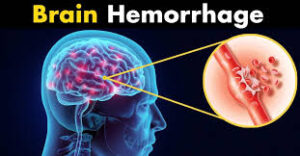
A brain hemorrhage, also known as intracranial bleeding, is a serious and potentially life-threatening condition that occurs when a blood vessel in the brain ruptures and causes bleeding into surrounding tissues. The accumulation of blood increases pressure inside the skull, which can damage delicate brain cells and disrupt normal neurological function. Immediate medical attention is crucial to prevent severe complications or permanent disability.

Brain hemorrhages are commonly associated with uncontrolled high blood pressure, head injuries, aneurysms, blood clotting disorders, or vascular abnormalities. Early recognition of symptoms and rapid intervention significantly improve survival and recovery outcomes. Seeking expert care at a specialized center ensures accurate diagnosis and timely treatment.

At Neurolinnk Brain, Spine & Medical Superspeciality Hospital, comprehensive brain hemorrhage treatment is provided using advanced imaging technology, experienced neurospecialists, and structured post-treatment rehabilitation programs.

Brain Tumor Surgery by a Neurosurgeon in Nagpur

Causes and Risk Factors

Brain hemorrhages can result from both traumatic and non-traumatic causes. Traumatic brain injuries from road accidents or falls are a major contributor. Non-traumatic causes include hypertension, ruptured aneurysms, arteriovenous malformations (AVMs), blood-thinning medications, and certain blood disorders.


Chronic high blood pressure is one of the leading risk factors, as it weakens blood vessel walls over time. Lifestyle factors such as smoking, excessive alcohol consumption, and uncontrolled diabetes may also increase the risk.

Understanding these risk factors helps in both prevention and early intervention. Patients with known hypertension or vascular conditions are advised to undergo regular health check-ups to reduce the risk of sudden complications.

Symptoms of Brain Hemorrhage

Symptoms often appear suddenly and may worsen rapidly. Common warning signs include severe headache, sudden weakness or numbness on one side of the body, difficulty speaking, blurred vision, loss of balance, confusion, vomiting, or loss of consciousness.

In some cases, seizures or sudden collapse may occur. Recognizing these symptoms and seeking immediate emergency care can be life-saving. Delayed treatment increases the risk of brain damage due to rising intracranial pressure.


Early medical evaluation includes neurological assessment and urgent imaging studies to confirm the diagnosis and determine the severity of bleeding.

Emergency Diagnosis and Imaging

Rapid and accurate diagnosis is critical in managing brain hemorrhage. CT scans are typically the first imaging test performed, as they quickly detect bleeding within the brain. MRI scans may be used for detailed evaluation of brain tissues and underlying causes.


At Neurolinnk Brain, Spine & Medical Superspeciality Hospital, advanced imaging facilities enable swift diagnosis and prompt decision-making. Laboratory tests may also be conducted to evaluate blood clotting function and other underlying medical conditions.

The primary objective during emergency assessment is to determine the location, size, and cause of the hemorrhage in order to plan the most appropriate treatment approach.

Medical Management of Brain Hemorrhage

Not all brain hemorrhages require immediate surgery. In certain cases, careful monitoring and medical management may be sufficient. Treatment focuses on stabilizing the patient, controlling blood pressure, reducing brain swelling, and preventing complications such as seizures.

Medications may be administered to lower intracranial pressure and manage symptoms. Intensive monitoring ensures that any change in neurological status is detected early.


The decision for conservative treatment depends on factors such as the size of the bleed, the patient’s neurological condition, and overall health. Continuous observation plays a crucial role in preventing deterioration.

Surgical Treatment Options

In cases where bleeding causes significant pressure on the brain or if there is a large hematoma, surgical intervention may be necessary. The goal of surgery is to remove accumulated blood, relieve pressure, and repair damaged blood vessels if possible.


Procedures may include craniotomy to evacuate clots or minimally invasive techniques to drain blood collections. Surgical planning is based on detailed imaging findings and patient condition.

At Neurolinnk, experienced neurosurgeons carefully evaluate the risks and benefits before recommending surgery. Advanced surgical techniques aim to minimize tissue damage and improve recovery outcomes.

Post-Treatment Care and Rehabilitation

Recovery from a brain hemorrhage varies depending on the severity and area of the brain affected. Some patients may experience temporary weakness, speech difficulties, or cognitive challenges. Rehabilitation is a vital component of recovery.


Therapies may include physiotherapy to restore movement, speech therapy for communication difficulties, and occupational therapy to improve daily functioning. Emotional and psychological support is also important, as sudden neurological events can impact mental well-being.

Regular follow-up visits help monitor recovery progress and prevent recurrence by managing underlying risk factors such as hypertension.

Why Choose Neurolinnk for Brain Hemorrhage Treatment in Nagpur?

Choosing a specialized neuro center ensures access to advanced technology, expert neurosurgeons, and coordinated emergency care. Neurolinnk Brain, Spine & Medical Superspeciality Hospital offers comprehensive management from emergency diagnosis to rehabilitation under one roof.

The hospital combines rapid imaging support, intensive care facilities, modern surgical techniques, and structured rehabilitation programs. Patient safety, transparent communication, and individualized care plans remain central to the treatment approach.

This integrated model enhances survival rates, supports faster recovery, and improves long-term quality of life.

Conclusion

Brain hemorrhage is a critical medical condition that requires immediate attention and specialized care. Early diagnosis, timely treatment, and structured rehabilitation significantly improve outcomes.


At Neurolinnk Brain, Spine & Medical Superspeciality Hospital, patients receive advanced and compassionate brain hemorrhage treatment tailored to their specific needs. From emergency stabilization to long-term preventive care, every stage of treatment is carefully managed to protect neurological health and restore function.


Book an Appointment

Scheduling a consultation at Neurolinnk Brain, Spine & Medical Superspeciality Hospital is simple and convenient. Patients experiencing persistent headaches, back pain, neck pain, numbness, seizures, or any neurological symptoms are encouraged to seek early evaluation. Timely consultation helps in accurate diagnosis and faster recovery.


You can book an appointment by calling the hospital directly during working hours or by visiting the clinic reception in person. Many patients also prefer scheduling through the official website or online appointment portal. When booking, it is helpful to mention your primary symptoms, previous medical history, and any reports such as MRI, CT scan, or blood test results.

Frequently Asked Questions (FAQs)

1. What is a brain hemorrhage?
A brain hemorrhage is bleeding inside or around the brain caused by a ruptured blood vessel, leading to increased pressure and possible brain damage.

2. What are the warning signs of brain hemorrhage?
Sudden severe headache, weakness on one side, speech difficulty, vision problems, confusion, vomiting, or loss of consciousness require immediate medical attention.

3. Is brain hemorrhage life-threatening?
Yes, it can be life-threatening. Early diagnosis and emergency treatment significantly improve survival and recovery chances.

4. Does brain hemorrhage always require surgery?
Not always. Some cases are managed with medications and monitoring, while severe cases may need surgical intervention.

5. Where can I get brain hemorrhage treatment in Nagpur?
You can consult specialists at Neurolinnk Brain, Spine & Medical Superspeciality Hospital for comprehensive evaluation and advanced neuro care.


Take the first step toward recovery—book your appointment with our brain and spine specialists today.

Call Now Button